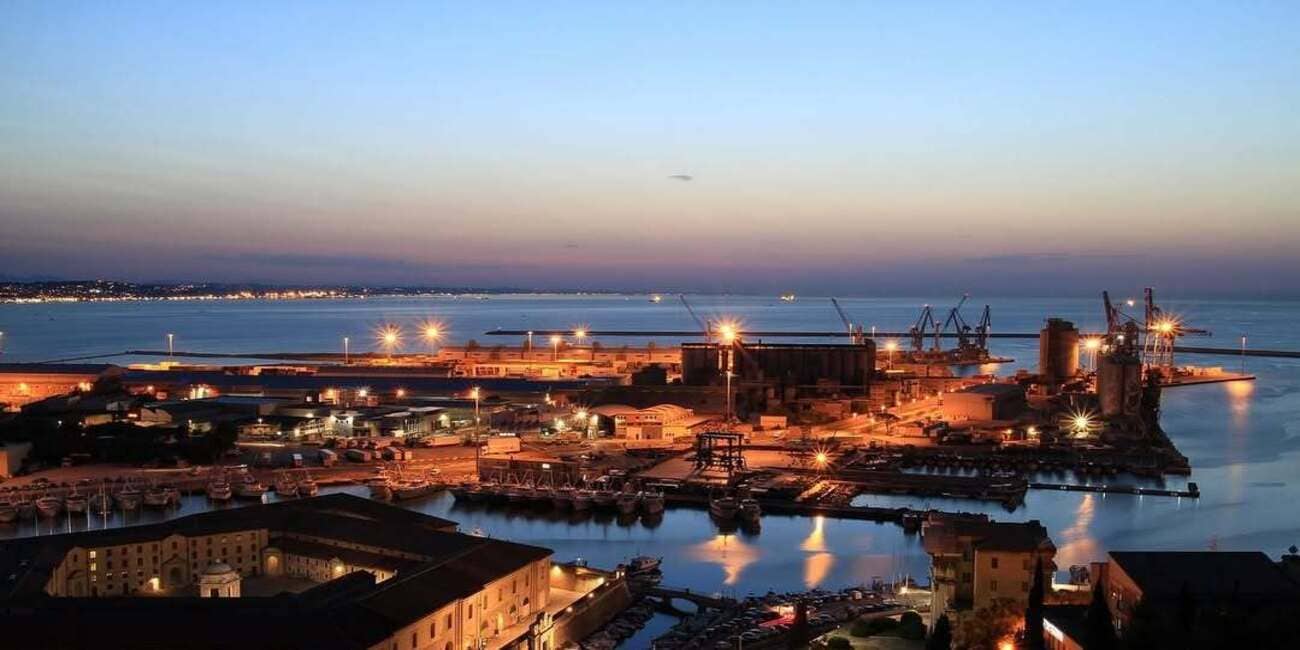
The morning we decided to get off the camper in Salou, the sky was such a perfect blue it almost looked saccharine. We had been stopped at the Área de Autocaravanas for two days—one of those parking lots that ends up turning into a kind of operational base, the starting point for all the adventures a coast like this can offer. My wife was scrolling on her phone, the kids were playing in the shade. And then, suddenly: “Why don’t we go to Tarragona? It’s really close.” Twenty minutes by train. A decision that, looking back, was one of those that sticks with you for weeks. Salou is strategic, we understand it immediately. The train station is just a few steps from the parking lot—half a kilometer on foot, enough not to be an expedition but not so close as to seem like a coincidence. The regional train that connects Salou to Tarragona is punctual, inexpensive, and above all, it drops you right into the heart of the city, at the Tarragona-Sants station. It’s not one of those transports that abandons you on the outskirts. It’s a direct gateway.
The Amphitheater: Where the Show Never Ended
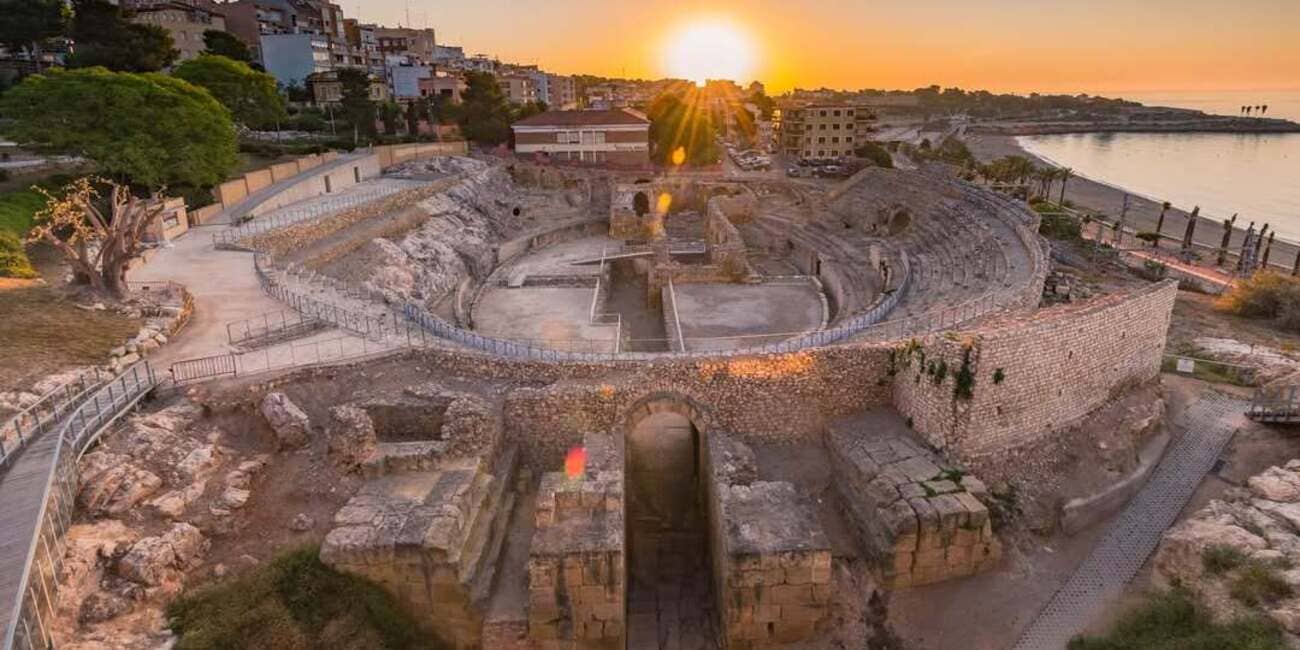
Your first impact with Tarragona arrives almost immediately. Walking from the center towards the seafront—no more than ten minutes—you will suddenly find yourselves in front of the Amfiteatre, the Roman amphitheater that stands in the Parque del Miracle with an almost unsettling presence, as if two thousand years had not passed at all.
Built in the 2nd century AD, this amphitheater could accommodate up to 14,000 spectators. Today, it is what remains of that grandeur: not the complete and theatrical ruins like the Colosseum, but something more intimately fascinating. The partly excavated stands, the red sand that still covers the arena floor, the columns that emerge like the teeth of a sleeping creature. When you are inside, with your daughter running between the lower levels and your wife struggling to believe that here, truly, thousands of people sat to watch gladiators fight, time becomes strange. It is no longer the linear time of your tourist visit. It becomes the time of Rome, of a civilization that left traces so concrete, so tangible, that you can touch them.
Take the children to the arena floor. Let them shout. The acoustics still work. When they yell from the center, the sound bounces off all the tiers, and they understand, they really understand, how a gladiator’s voice could reach every person seated. It’s not didactic—it’s magic.
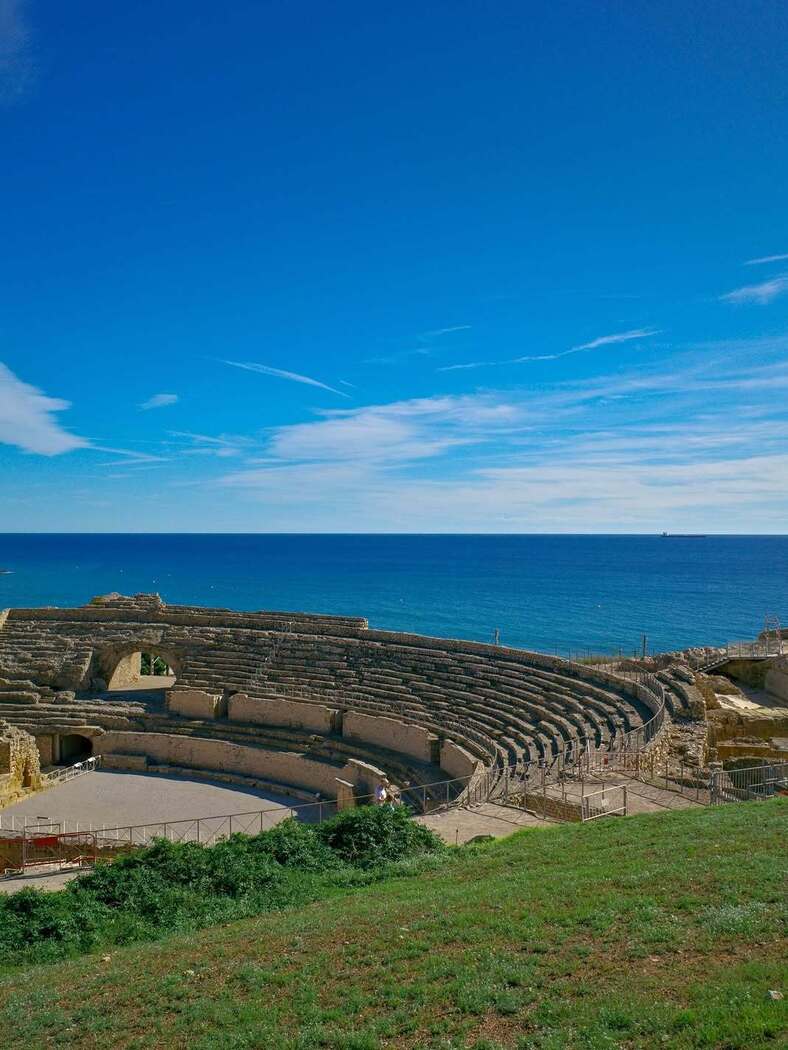
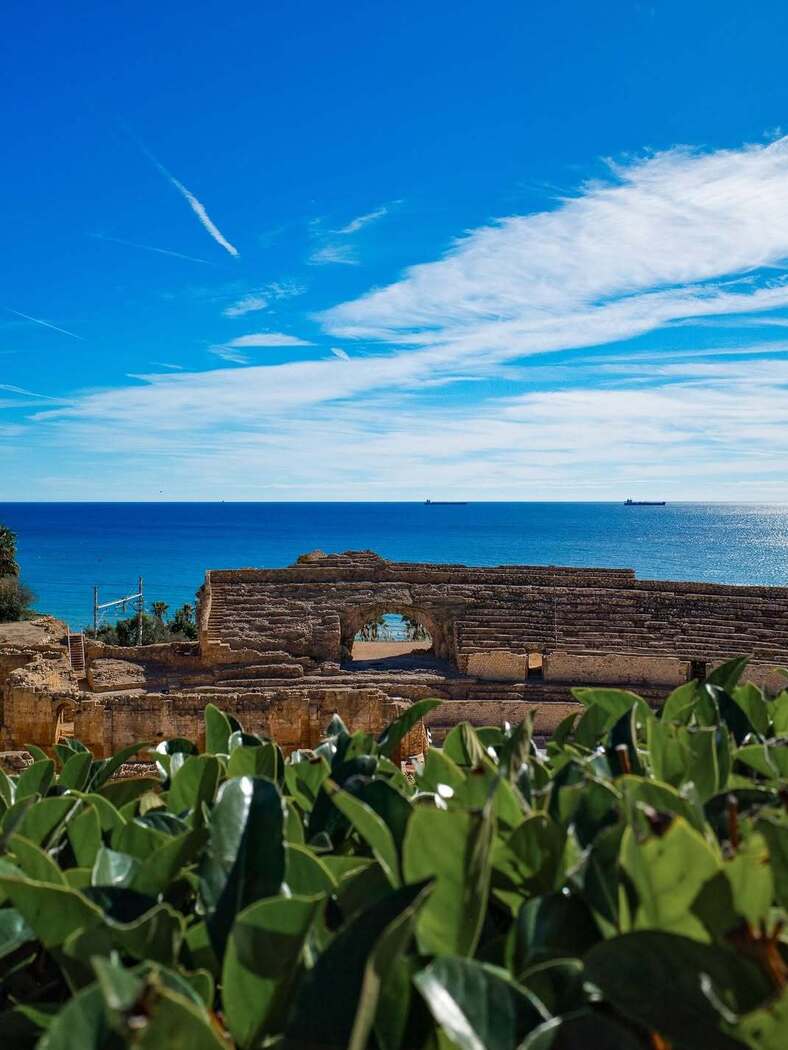
The best time to visit is around 5:00 PM, when the sun begins to set. At this hour, the golden light hits the stones in such a way that they almost seem to glow from within, and the Mediterranean in the background—you can see clearly from here, from the highest part of the amphitheater—becomes so blue that it looks like a declaration of intent from nature. Admission costs 3.50 euros. It is worth every penny. The amphitheater is open from 9:00 AM to 8:00 PM in summer, and from 9:00 AM to 6:00 PM in winter. GPS: 41.114504, 1.258573.
Roman amphitheater
Roman amphitheater from another perspective
The Cathedral: The Breath of Catalan Gothic
From the station or the seafront, proceed towards the walled historic center. The streets narrow, small shops give way to alleys where time slows down even further. And here is the Plaça de la Catedral.
The Metropolitan Cathedral of Tarragona is not a church. It is a statement of power built in stone, and when you enter the square in front, your first instinct is to look up. The Gothic facade dominates you—built between the 12th and 16th centuries, it is an architecture that seems to want to reach the sky and simultaneously keep you anchored to the ground with the weight of its solidity. The turrets, the pointed arches, the relief details that tell biblical stories: every element was conceived to communicate something sacred, something eternal.
Inside, the light changes everything. The stained-glass windows project blue, red, and green nuances onto the stone floor. There are works of art—altarpieces, sculptures, tapestries—that would deserve a professional historical guide, but the emotional effect comes through regardless. The cathedral communicates beauty even to those who cannot read the codes of medieval religious art.
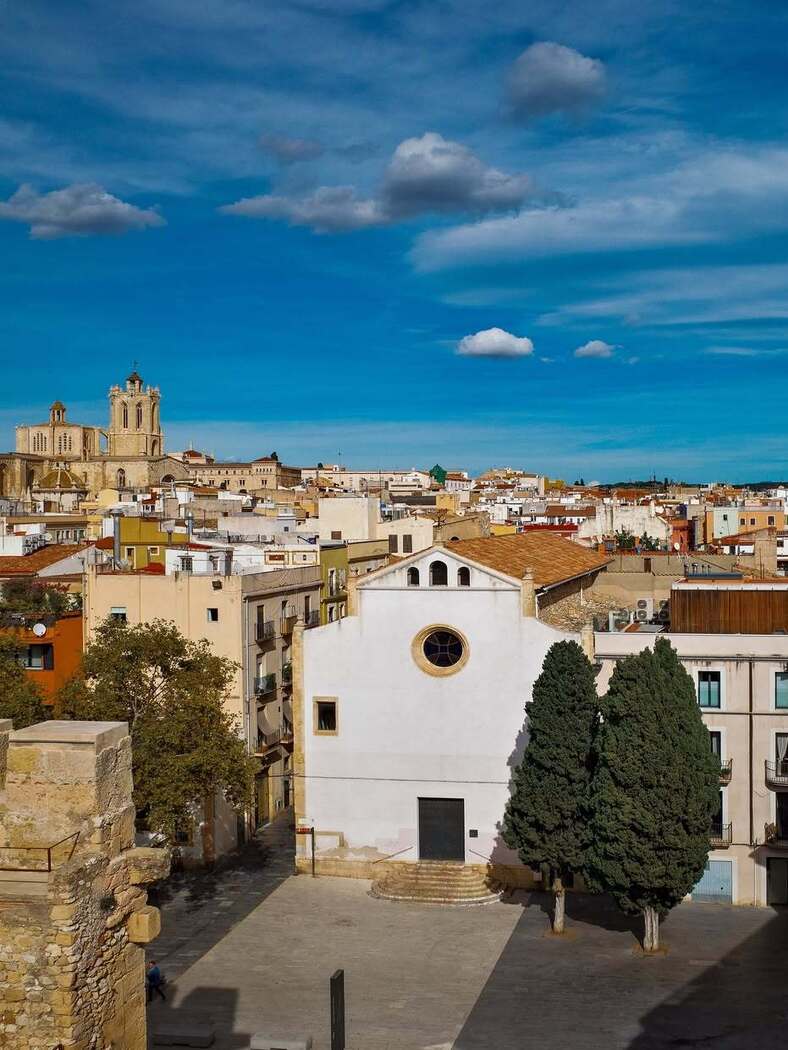
If you still have legs available, climb the side stairs. They are narrow, a bit claustrophobic—not suitable for those who suffer from vertigo—but they reach the top of the cathedral. From up there, the view is 360 degrees: Tarragona lies at your feet, the Mediterranean is even closer, and you can almost touch the other churches scattered around the city. Your children will tell you “we reached the sky,” and they won’t be entirely wrong.
Hours: 10:00 AM-2:00 PM and 4:00 PM-7:00 PM. Admission: 4.00 euros. GPS: 41.118718, 1.257772.
Tip: go early in the morning if you want to avoid tourist groups, but the light is better for photographs in the afternoon.

The cathedral
What a view of the city!
The Historic Center: Walking Among Roman Stones
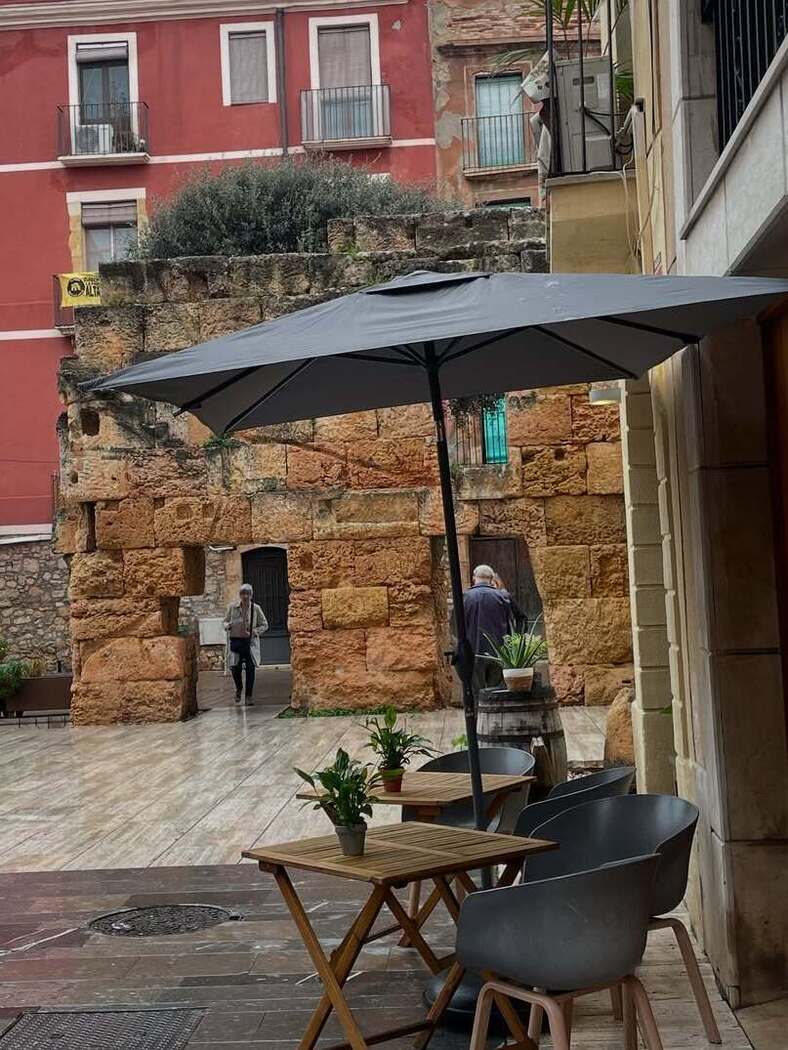
Tarragona is not a museum. It is a city where the past still lives among the people who inhabit it. Walking from the center towards the seafront, you will notice that the foundations of many modern buildings rest on Roman walls. You will see Latin inscriptions on the facades. A red brick wall supporting a modern house will be two thousand years old.
This is what makes Tarragona different from other historic cities: it is not an island of the past within the present. It is a fusion. Kids begin to notice the details—a stone with inscriptions, an ancient arch inside a modern building—and they start to build their own personal narrative. It’s not a tourist visit. It’s a discovery.
Walk along the Rambles, the main promenade that descends from the center towards the sea. The trees provide shade, there are benches to rest on, and the pace slows down. From here you can access the beaches, if you want a quick swim, or simply sit and let Tarragona breathe on you.
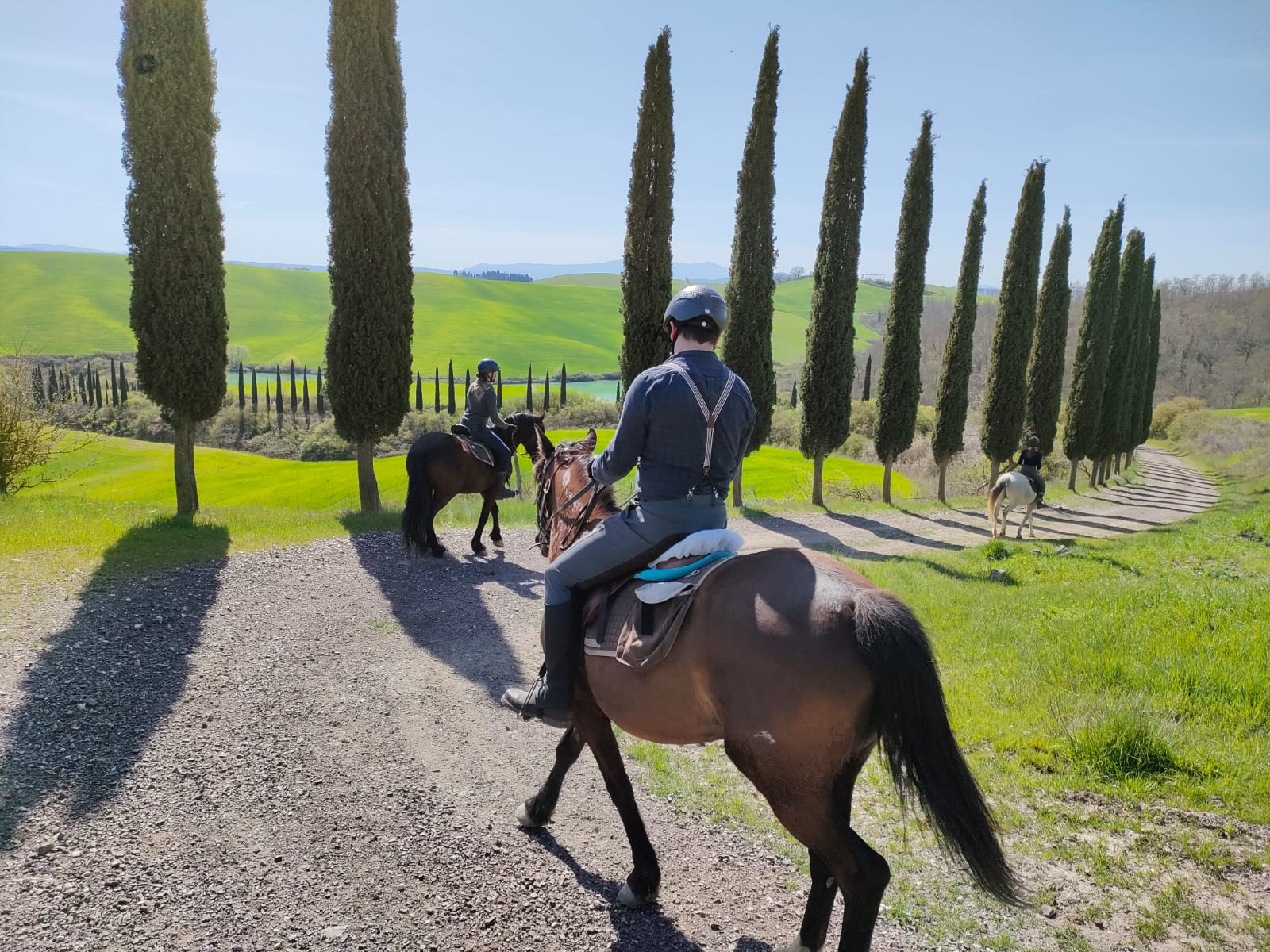
walking among the Roman stones
break for refreshment
The Return to Salou: When Magic Becomes Memory
Around 7:00 PM, when the sun begins to tinge the sky with orange and pink, you will do the most beautiful thing: you will return to Tarragona-Sants station as if you had just returned from a much longer trip. The train will take you back to Salou in twenty minutes. Your kids, tired in that good way that means they have truly experienced something, will look out the window. Your wife will grab her phone and take a picture of the sunset from the train.
When you get off at the parking lot, the camper will be waiting exactly where you left it. You will prepare dinner in the three-square-meter kitchen, you will sit outside, and someone will say: “Tarragona was beautiful, wasn’t it?” And you will think about those two thousand years of history, the amphitheater steps, the light in the cathedral’s stained glass, and you will understand that it wasn’t a day trip. It was one of those things you will carry with you forever.
Tarragona teaches you something: that you don’t have to go far to feel small in the face of something great. You just have to choose to get out of the camper and walk towards the horizon.