
Stopovers and overnight staysoBringing a camper into the historic center of Ancona is not a good idea: the downtown streets are narrow and often steeply inclined, ZTL (Limited Traffic Zones) cover much of the city’s heart, and parking spaces suitable for tall or long vehicles are few and far between. The best solution is to leave your camper in one of the peripheral parking lots and reach the center by public transport or on foot.
Below you will find two complementary solutions: the first is ideal for those who want to visit the city, the second for those who need to perform technical operations (water loading/unloading) or are arriving directly from the highway.
Via Bruno Leoni Municipal Parking
🔧 Services: none (water fountain, waste collection)
💶 Cost: free
🚌 Transport: bus line 46 → center (~10 min)
🛒 Supermarket: 5 min walk away
📍 GPS: 43.5915, 13.5197
Via Franco Scataglini Motorhome Area – Baraccola (Logistics Stop)
🔧 Services: drinking water loading, grey and black water discharge
💶 Cost: free
🚗 Access: A14 Ancona Sud exit – SS16
⚠️ Height limit: 3.50 m
📍 GPS: 43.5600, 13.4980
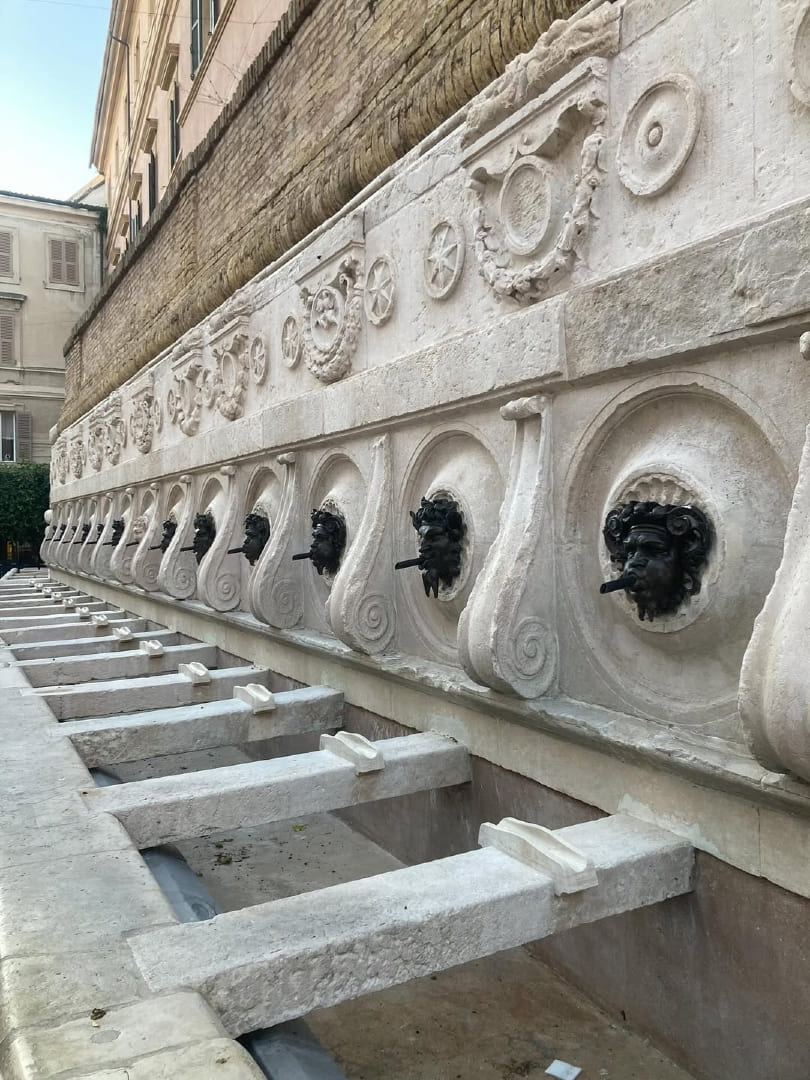
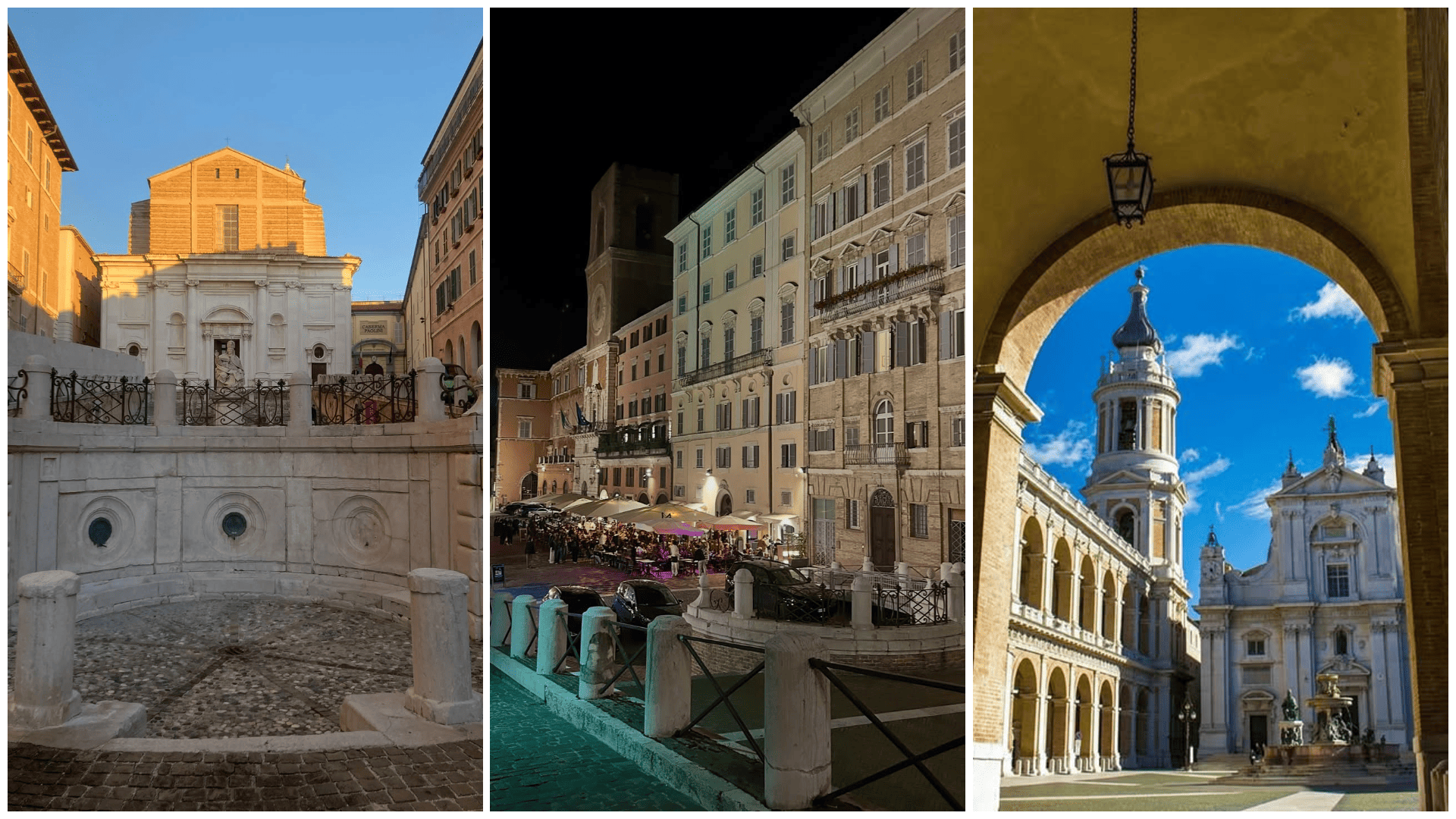
Calamo Fountain
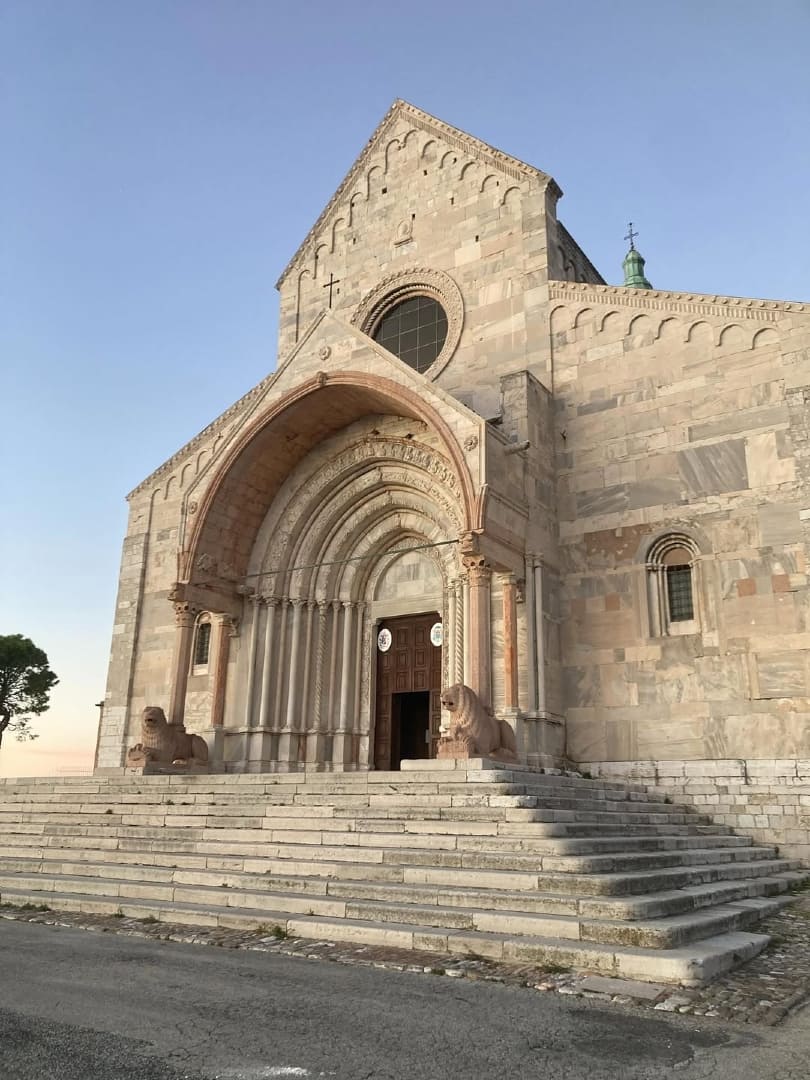
San Ciriaco Cathedral (Ancona Cathedral)
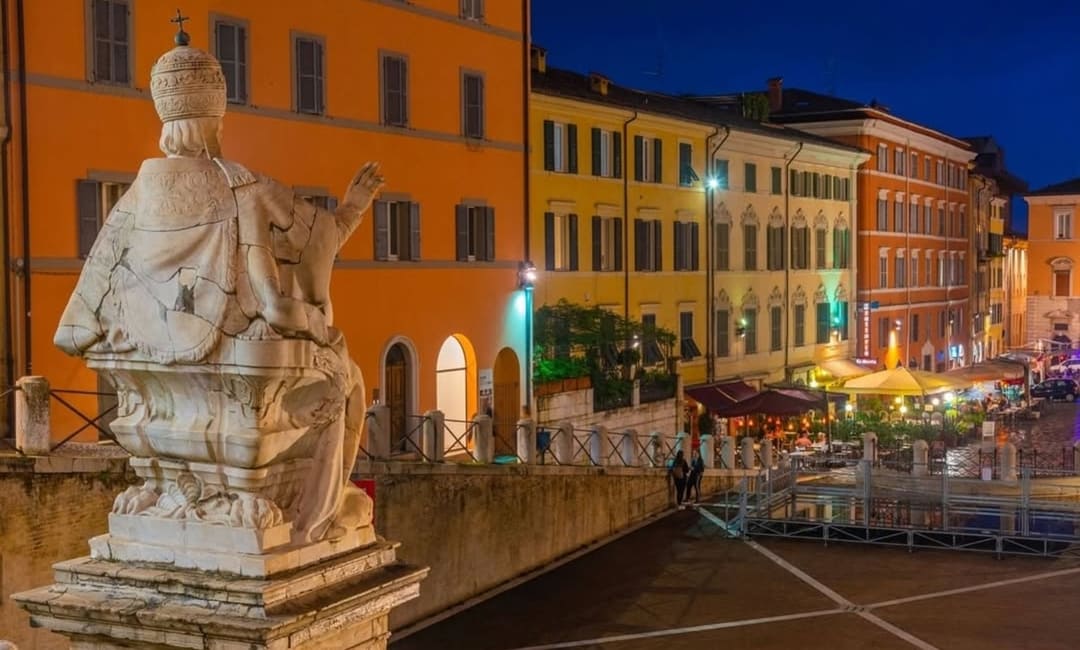
Getting AroundFrom Via Bruno Leoni, Ancona’s public transport system works well for reaching the center. Line 46 departs from the stop in front of the parking lot and reaches Piazza Cavour in about ten minutes—the heart of the modern city and the natural starting point for any walking itinerary.
Alternatively, lines no. 1 and no. 4 connect the area to the railway station, from where it is easy to continue towards the port or the seafront. Tickets can be purchased at tobacconists or via app (around €1.30 per ride).
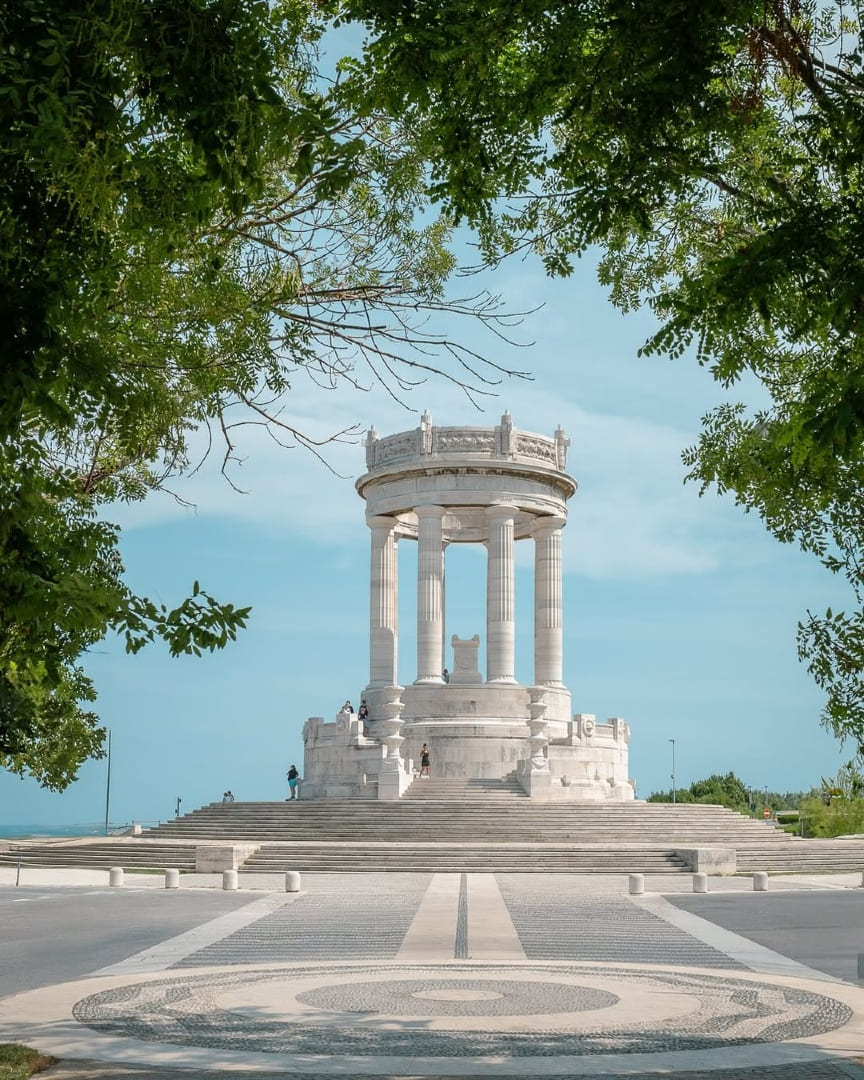
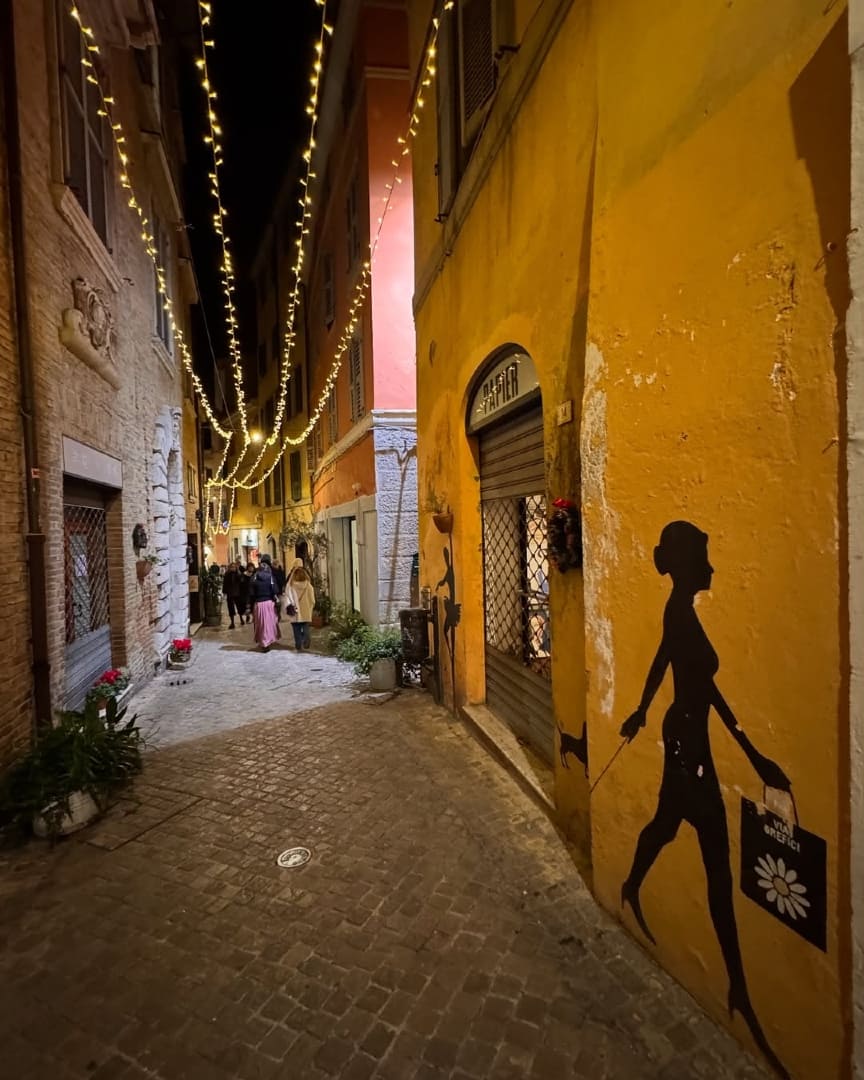
Once in the center, Ancona is best explored on foot. The historic center is largely pedestrianized or has limited traffic: you climb towards Guasco Hill for the Cathedral, and descend towards the port for the Arch of Trajan and the Mole. There are climbs, but they are not prohibitive—the route from the square to the Cathedral takes about twenty minutes.
Those who prefer cycling will find some bike paths in the flat areas near the seafront, but the hilly center is not recommended for those who are not physically fit.
Warning: avoid approaching the historic center with a camper. The streets of the Capodimonte district and Guasco Hill are narrow, steeply inclined, and often dead ends.
Points of Interest (PoI)
Seasonal EventsWhen: May 4th
Where: San Ciriaco Cathedral and the historic center of Ancona
What: On May 4th, Ancona celebrates its patron saint with a day of religious and civil festivities culminating in a solemn mass at the Cathedral and a procession through the streets of the historic center. The atmosphere is that of a large-scale village festival: the streets fill up, bars stay open until late, and Guasco Hill comes alive with families and visitors. For a camper traveler in the area during this time, it is a rare opportunity to see Ancona as its inhabitants experience it, far from the ferry season and the summer beach rush. Check the specific details for the current edition on the Municipality of Ancona website.
When: June – September
Where: Sirolo, Numana, Portonovo (AN)
What: The Conero Riviera, twenty minutes south of Ancona, comes alive in summer with concerts, local festivals, and cultural initiatives in the villages of Sirolo and Numana. Rather than a single large festival, it is a widespread calendar of events that makes every summer weekend a potential surprise. The Conero municipalities publish their seasonal programs on their respective official websites. Ideal as an extension of a stay in Ancona: leave the camper at Scataglini for services and head towards the white beaches of the promontory via summer shuttles. The inner roads of the Conero Park are narrow: access with large motorhomes is not recommended.
Typical Dishes and Local ProductsYou cannot say you have truly tasted Ancona without sitting down before a bowl of brodetto. Not a generic “fish soup” — woe betide anyone who calls it that in the Marche — but the Anconetan brudetu: the seafood soup that, according to local tradition, is the mother of all Adriatic soups, the archetype from which all variations from Rimini to Pescara derived.
Born on fishing boats as a poor man’s dish — made with the catch that couldn’t be sold at market — Anconetan brodetto has a strict rule: it must contain exactly thirteen varieties of fish. Thirteen, like the lucky number of the fishermen, like the “13 spouts” of the Fontana del Calamo so dear to the people of Ancona. The other characteristic that distinguishes it from its Northern Adriatic cousins is the deglazing with vinegar — never white wine — which stabilizes the cooking and prevents the fish from falling apart.
Anconetan brodetto is considered the oldest in the Adriatic tradition — the first “white” recipes date back to medieval fishermen, while tomatoes only entered the recipe after the 17th century. Every family in Ancona guards its own version, with small variations passed down through generations: some add saffron, some use homemade preserves boiled in tin drums, and some swear it cannot be called brodetto without the earthenware pot. The number 13 is not just any superstition: it recalls the 13 spouts of the Fontana del Calamo, a symbol of the city built in 1560. A dish that tells the story of a port open to the entire Mediterranean.
Useful TipsWhen to go: Spring (April–May) and early Autumn (September–October) are the ideal seasons — mild temperatures, fewer tourists, available parking, and lower prices. Summer brings the ferry crowds and prices rise; winter is quiet, but some events and facilities are closed.
Respect the ZTL: The historic center of Ancona is largely a Limited Traffic Zone (ZTL). Do not attempt to approach the Cathedral district or the narrow streets of the center with a camper: ZTL cameras are active, and the roads are often physically impassable for tall vehicles. Always use peripheral parking and public transport.
Technical operations before departing: If you need to fill/empty your water tanks, take advantage of the Scataglini area before leaving Ancona. It is free, functional, and convenient from the highway.
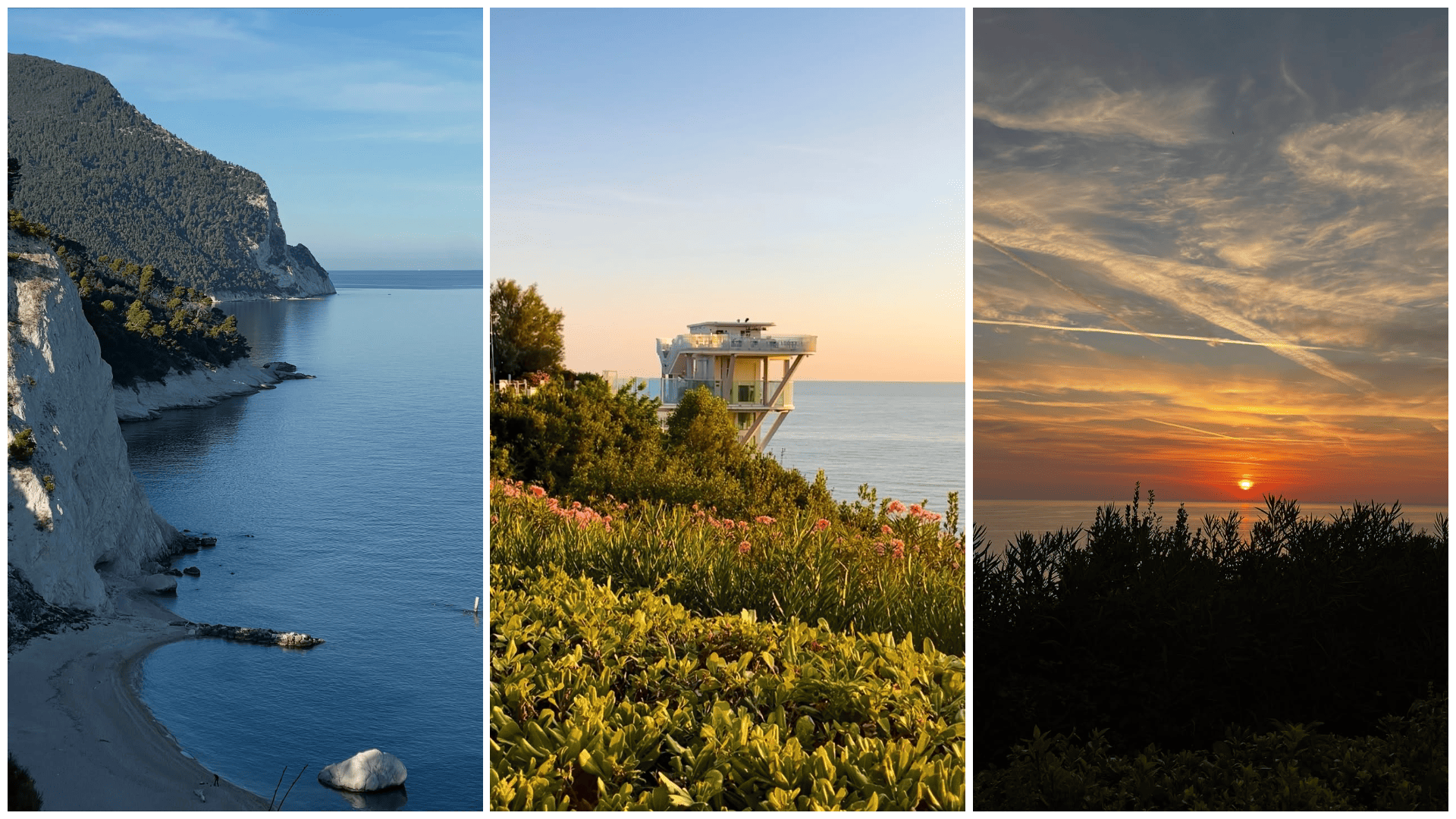
The Conero within reach: If you have an extra day, head south. Twenty minutes away is the Conero Riviera with the beaches of Portonovo, Sirolo, and Numana — some of the most beautiful on the Adriatic. Warning: the roads within the Conero Park are narrow and winding, not suitable for long campers. It is better to leave the vehicle on the flat ground and head down to the beaches using the summer shuttles.
The Mercato delle Erbe: If you want to do some quality shopping before setting off, the Mercato delle Erbe (Via della Loggia) is one of the most beautiful indoor markets in the Marche region — fresh fish, local vegetables, cheeses, and cured meats. Open in the morning, Monday to Saturday.
👉 Ancona is one of those cities that is discovered late and regretted immediately: all too often viewed only through a ferry window, it hides a layering of history, art, and gastronomy that makes it an essential stop for anyone traveling the Adriatic coast by camper. Add it to your list — and this time, actually stop.