The Castle and the Museum: Where the Ancient Meets the Cultures of the World
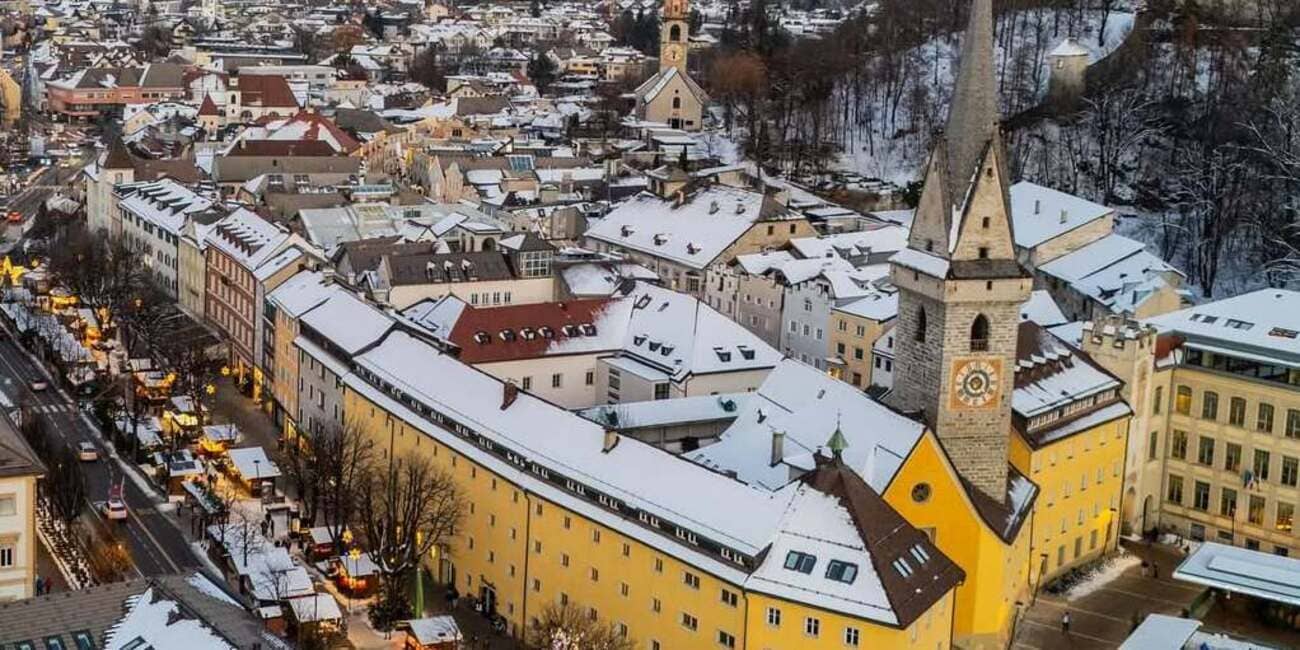
Brunico Castle was built in the 13th century by Bishop Bruno von Kirchberg, who wanted to protect his possessions in the Puster Valley and, in doing so, laid the foundations of the city itself. For centuries, the castle was the summer residence of the Prince-Bishops of Brixen: each bishop left their mark here, expanding walls, adding rooms, and frescoing halls. The coats of arms of Bishops Albert von Enna, Ulrich Putsch, and Andrea d’Austria still decorate the walls, silent witnesses to a power that tasted of incense and politics.
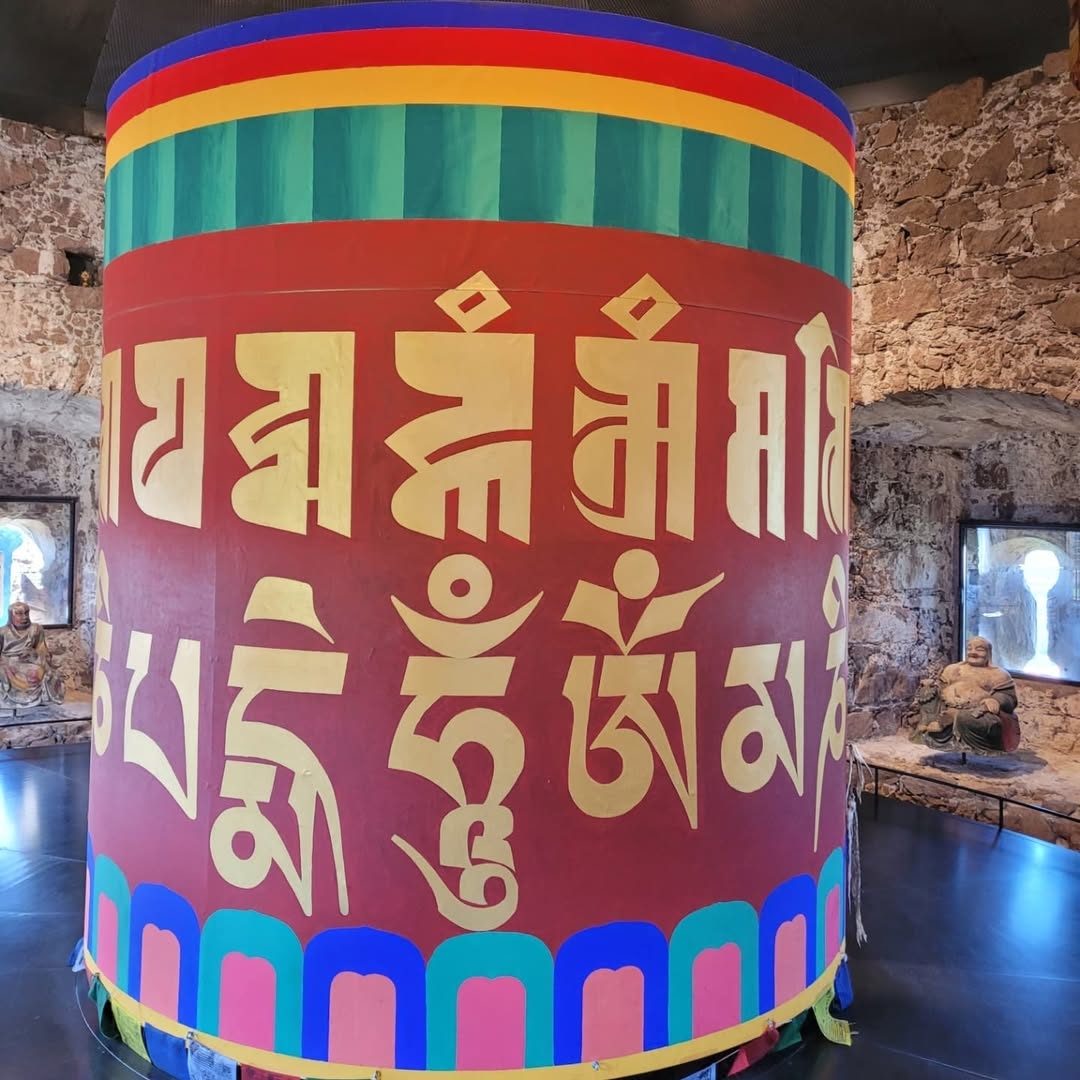
In 2011, the castle was reborn in a new guise: no longer the home of the powerful, but the house of mountain peoples. Reinhold Messner, the South Tyrolean mountaineer who climbed all fourteen 8,000-meter peaks in the world, transformed these walls into one of the six Messner Mountain Museums. The MMM Ripa – “ripa” in Tibetan means “man of the mountain” – is dedicated to cultures that have lived at high altitudes for over 10,000 years, in symbiosis with peaks, glaciers, plateaus, and remote valleys.
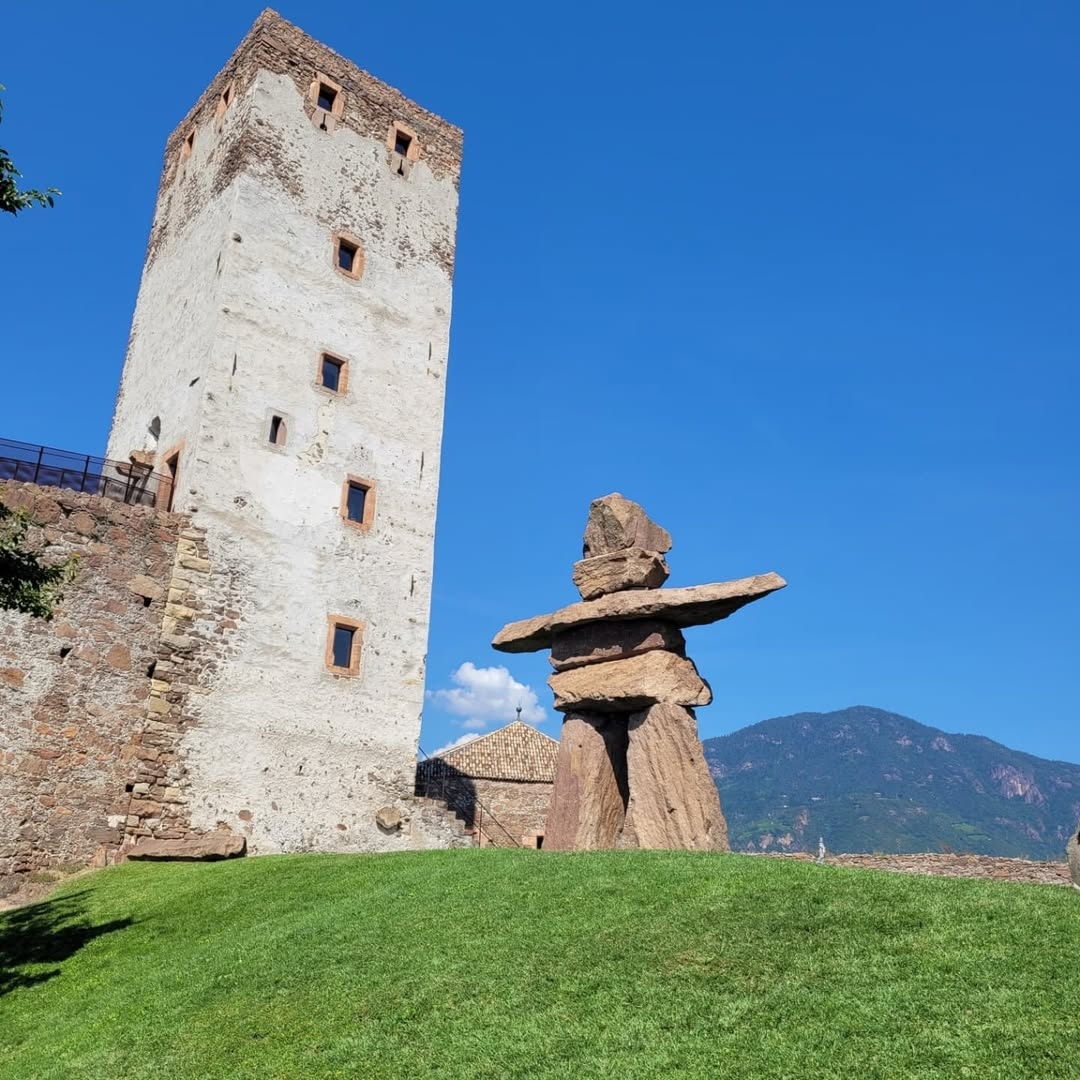
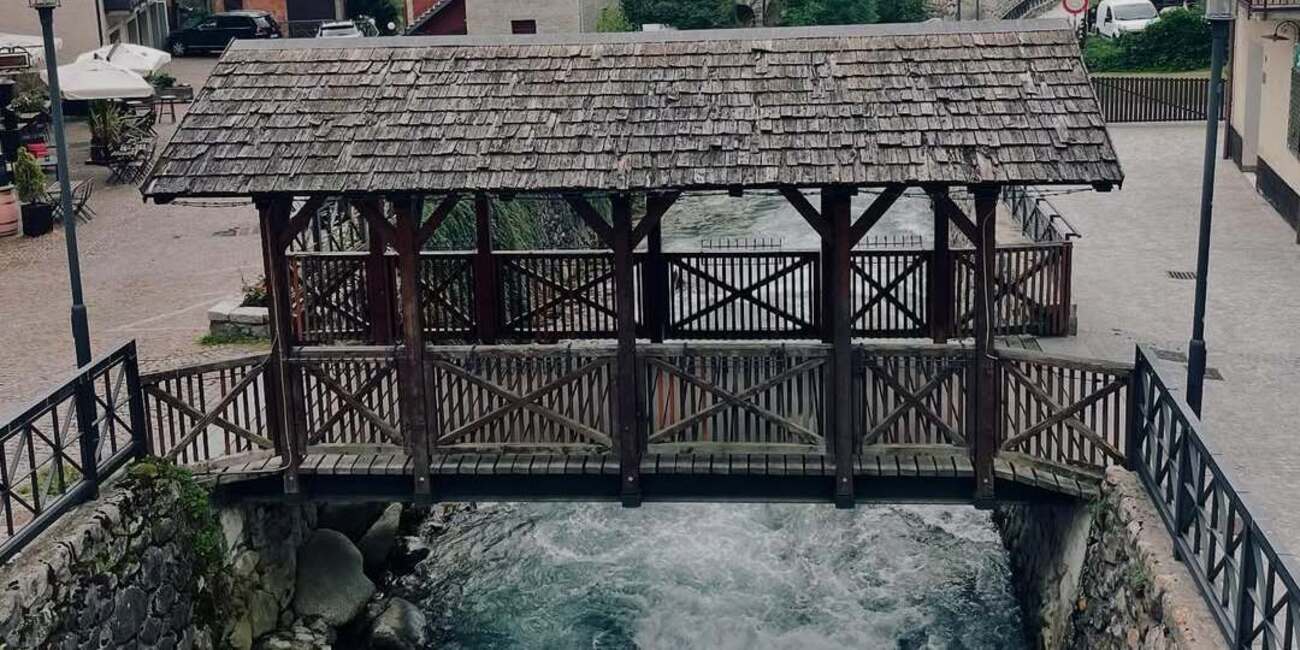
The castle’s renovation was daring: contemporary materials such as treated grey wood, glass, and steel were placed alongside the ancient stones. The contrast is jarring but effective, as if the past and present were conversing without fear. Cross the wooden bridge that leads to the inner courtyard and you will find yourself in a protected, silent space where time seems to slow down.
Cellar: The Peoples of Africa and Oceania
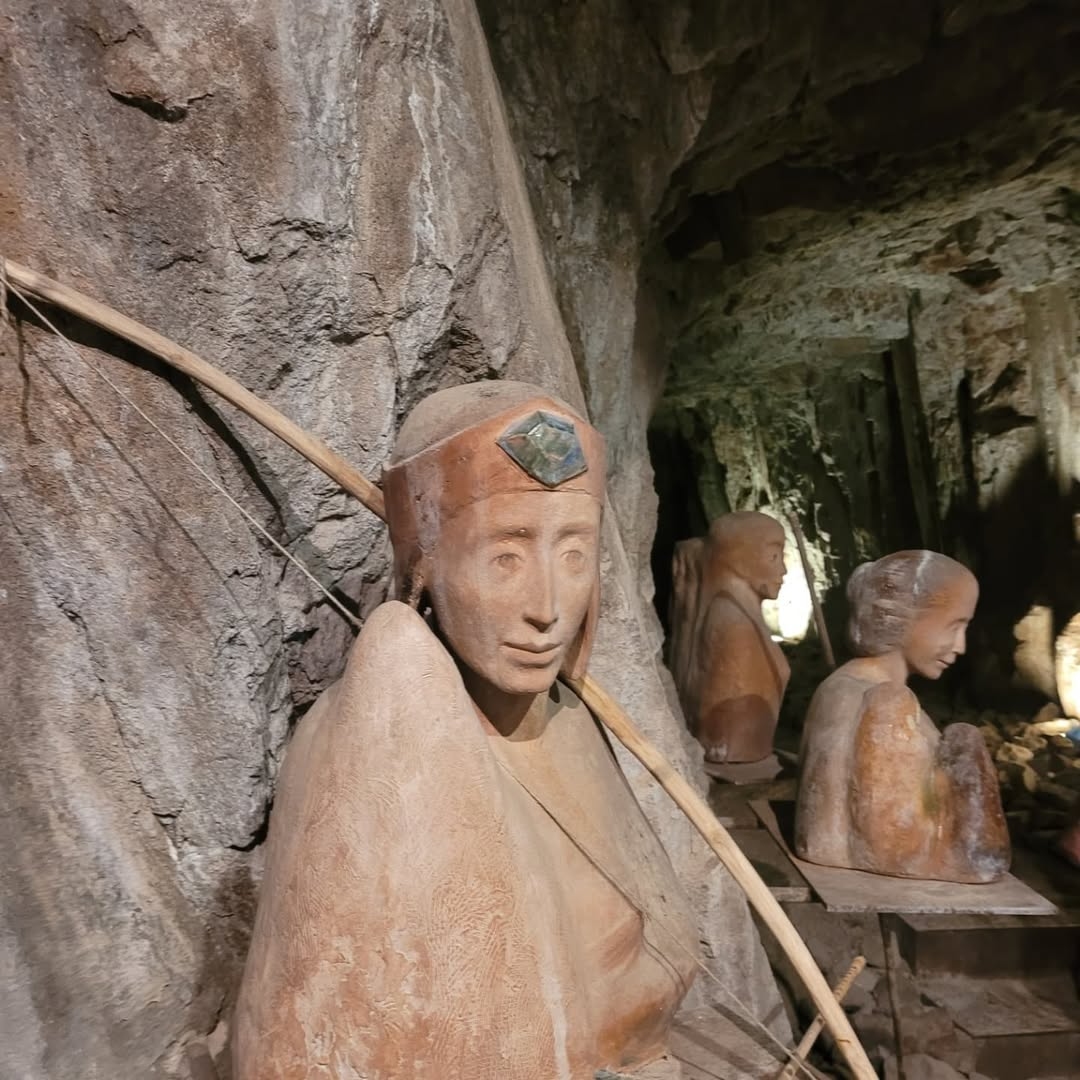
The museum itinerary begins in the castle cellar, where the atmosphere is cool and intimate. Here you encounter the mountain peoples of Africa and Oceania: the Damara, the Masai, the Tuareg, the Dani. These are cultures that have adapted life to extreme altitudes, mountainous deserts, and the misty forests of Papua New Guinea. The objects on display tell stories of survival and ingenuity: clothing made of leather and fur, hunting weapons, ritual masks with vivid colors and piercing eyes. Every tent, every utensil carries centuries of knowledge passed down from generation to generation.
First Floor: Caucasus and Alps
Ascend to the first floor, and the geographical horizon shifts towards the Caucasus and the Alps. Here, the Caucasian peoples and the Walser – German-speaking communities living in the Alpine valleys – show how the European mountain has been shaped by man. You will discover objects of daily life: carved wooden cradles, agricultural tools, heavy wool garments to face winters that last months. One of the most fascinating installations is the reconstruction of traditional dwellings: Mongolian tents, yurts, houses of stone and wood. Children love to enter these structures and experience firsthand how people lived – and in some cases, still live today.
Second Floor: Religions and Spirituality
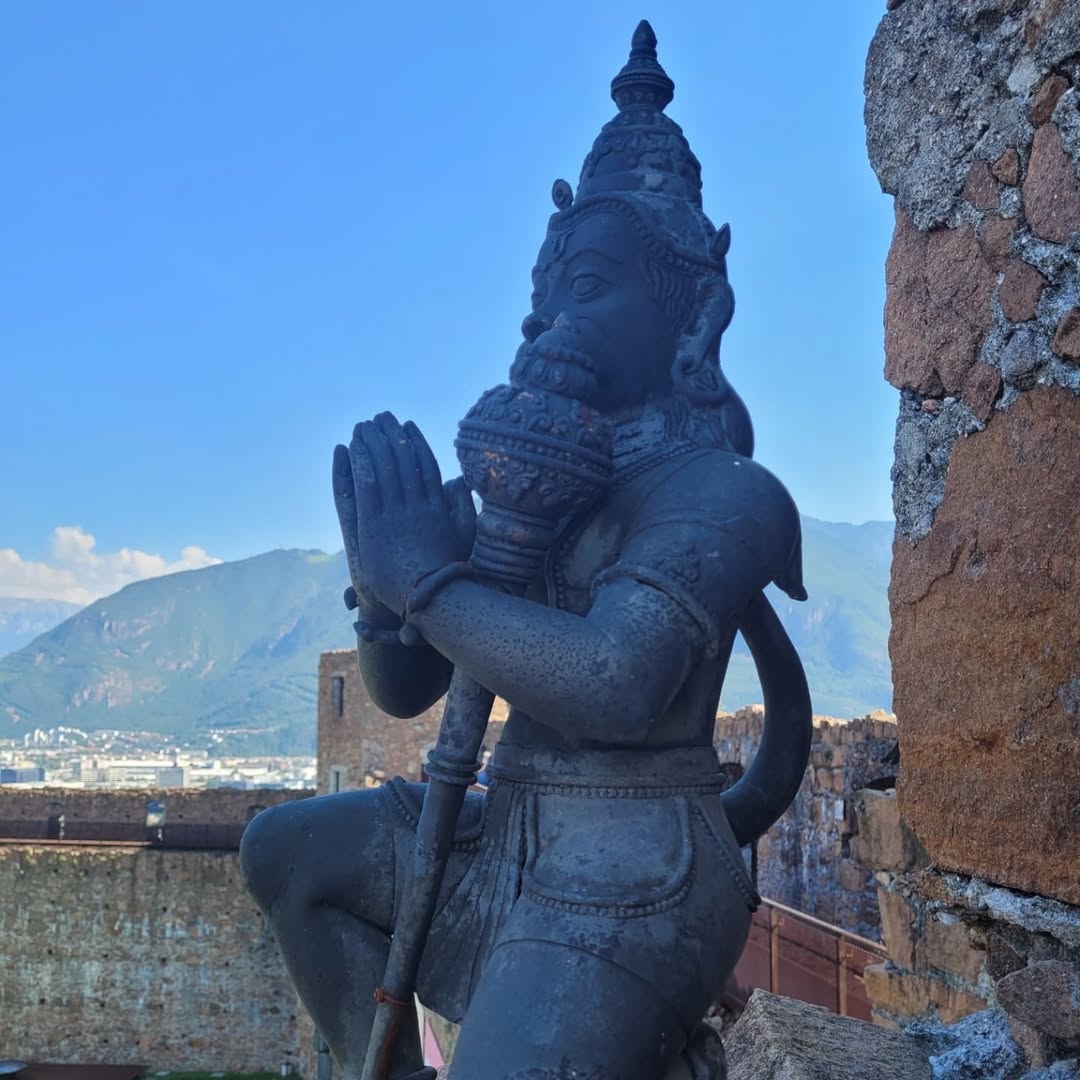
On the second floor, the museum addresses the theme of mountain religions. Here, the peaks are not just physical obstacles but sacred places, dwellings of the gods, passages to the afterlife. You will find statues of the Tibetan Buddha, Christian crosses carved in wood, animistic fetishes, and votive offerings left on the summits by pilgrims and mountaineers. It is a room that invites reflection: for these peoples, the mountain has never been just nature to be conquered, but a living entity to be respected, feared, and venerated.
Tower: Tourism and the Panoramic View
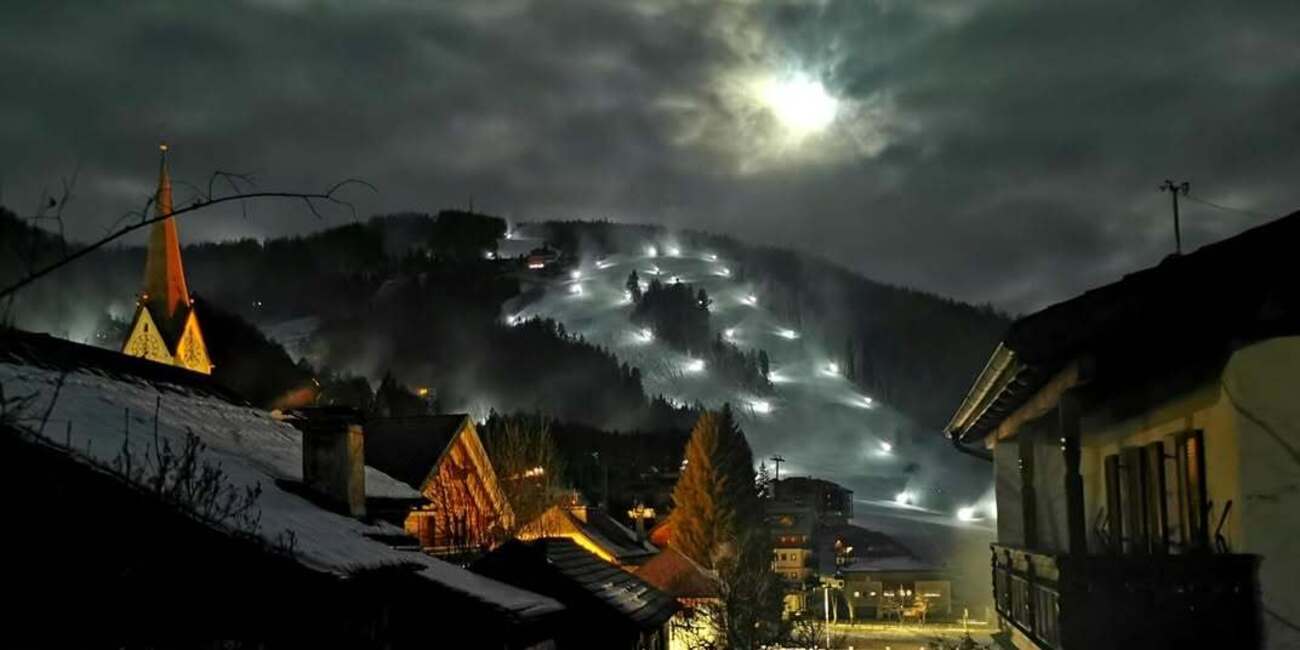
The final stop on the itinerary is the castle tower. A wooden staircase – over 100 steps – takes you to the summit, where a breathtaking panoramic viewpoint opens up. From the tower, you can see the Brunico basin, the three-thousand-meter peaks of the Aurina Valley, Kronplatz dominating the valley, and the mountain farms clinging to the slopes. In winter, the landscape is a white expanse dotted with fir trees and houses with colorful facades.
But the tower also houses the final section of the museum: alpine tourism. Here Messner poses an uncomfortable question: what happens when the mountain becomes a commodity? Historical photographs show the first Victorian mountaineers, the pioneers of the Dolomites, and the caravans of guides and porters. And then, the explosion of mass tourism: ski lifts, ski slopes, luxury hotels. The museum does not judge but invites reflection: can the mountain withstand this pressure? Are the peoples who have inhabited it for millennia surviving or being swept away by modernity?