
Top

Visit Ancona

the gateway to the East that always surprises

Ancona as a city often passed through but rarely experienced.
Most motorhome travelers know Ancona only in passing: you arrive, park near the port, and board the ferry to Croatia or Greece. And so, one of the most unique cities on the Adriatic coast remains in the background, barely glimpsed through the window.
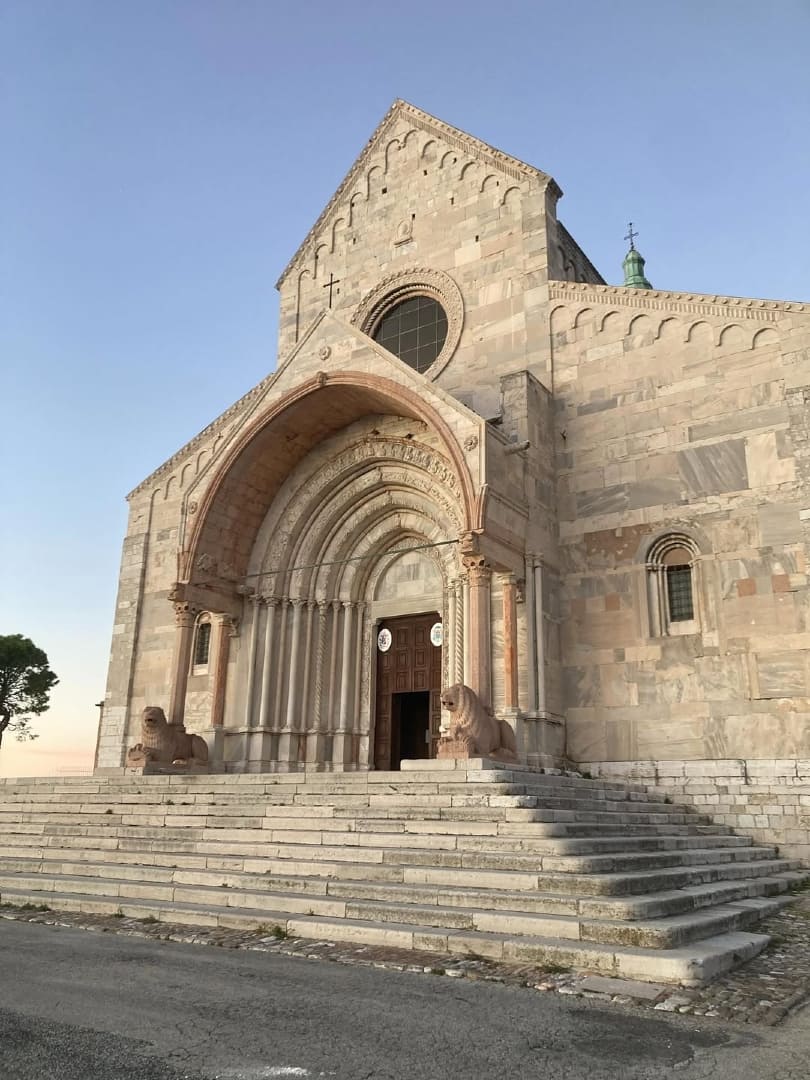
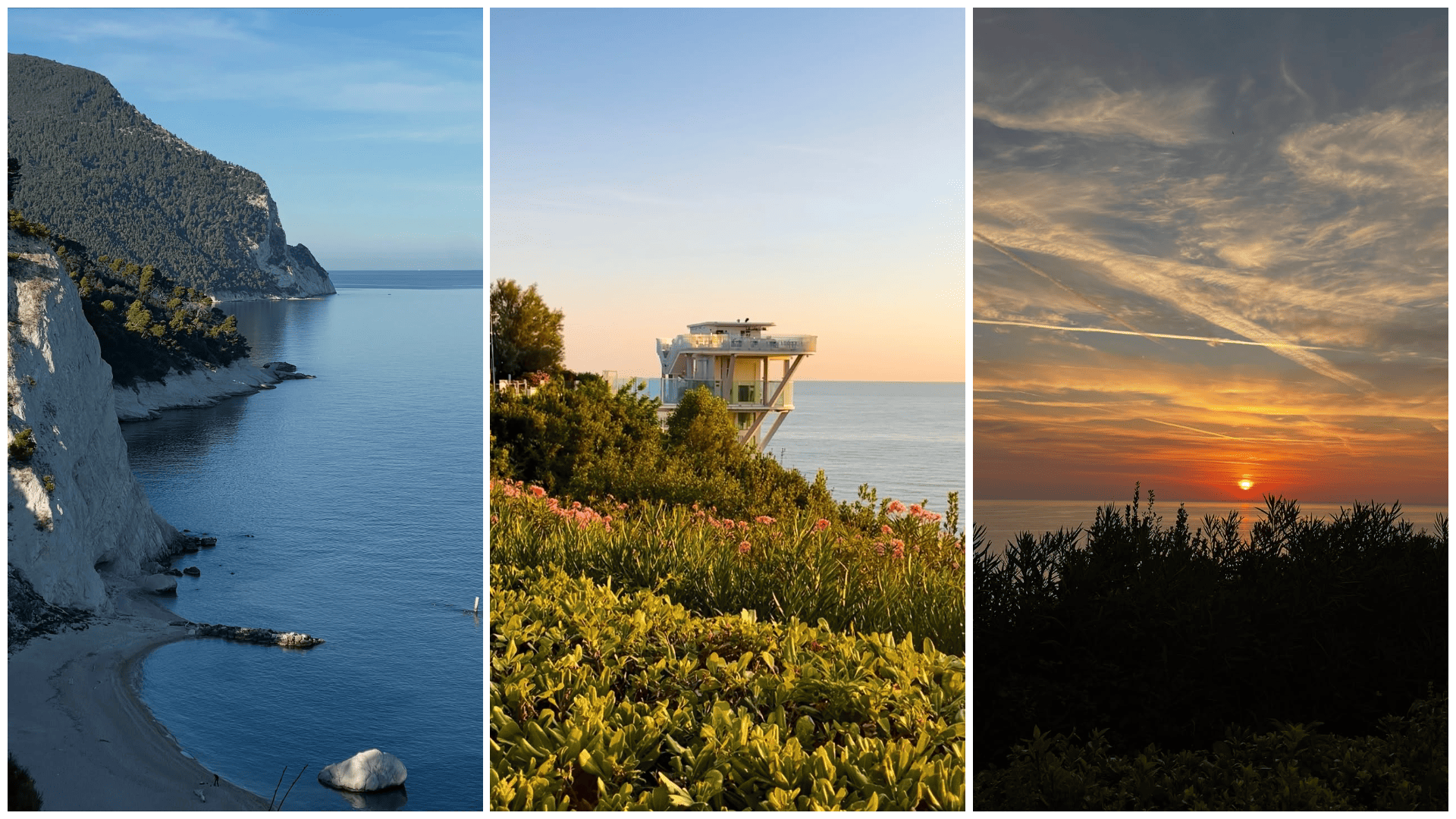
Yet Ancona deserves to be lived, not just crossed. It is the only Italian city where it is possible to admire both the sunrise and the sunset over the sea — and the privileged spot for this double wonder is the Cathedral of San Ciriaco, a Romanesque-Byzantine cathedral that dominates Guasco Hill like a stone lighthouse. From up there, the Adriatic Sea stretches out in both directions, and the city unfurls towards the port with its alleys, silent squares, and the murals of a neighborhood that chose art to be reborn.

The capital of the Marche region, Ancona is easily reached from the A14 motorway (Ancona Nord or Ancona Sud exit) or by following the SS16 Adriatica. For those arriving from the north, it is an excellent base for exploring the Conero Riviera — one of the wildest and most beautiful stretches of coast on the Adriatic, just twenty minutes to the south. For those arriving from the west, it is the natural arrival point after crossing the Marche hills and the Frasassi Gorges.

Stopovers and overnight stayso

Bringing a camper into the historic center of Ancona is not a good idea: the downtown streets are narrow and often steeply inclined, ZTL (Limited Traffic Zones) cover much of the city’s heart, and parking spaces suitable for tall or long vehicles are few and far between. The best solution is to leave your camper in one of the peripheral parking lots and reach the center by public transport or on foot.

Below you will find two complementary solutions: the first is ideal for those who want to visit the city, the second for those who need to perform technical operations (water loading/unloading) or are arriving directly from the highway.

Recommended areas

🅿️ Via Bruno Leoni Municipal Parking

The Via Bruno Leoni parking lot is the go-to spot for those who want to visit Ancona without stress. It is located in the Tavernelle district, in a quiet, tree-lined area — adjacent to the city’s monumental cemetery, which is worth knowing in advance but in practice causes no inconvenience. The dedicated camper pitches are flat, clean, and illuminated at night. There are no loading/unloading services available, but there is a small water fountain and a waste collection point. The main advantage is the convenience of public transport: the bus stop is just a few steps from the entrance, and line 46 reaches the center in about ten minutes. A supermarket for basic supplies is also a five-minute walk away. Free of charge, open all year round. Note: night surveillance reported by users.

🔧 Services: none (water fountain, waste collection)
💶 Cost: free
🚌 Transport: bus line 46 → center (~10 min)
🛒 Supermarket: 5 min walk away
📍 GPS: 43.5915, 13.5197

🅿️ Via Franco Scataglini Motorhome Area – Baraccola (Logistics Stop)

The area in Via Franco Scataglini, located in the Baraccola commercial district, has a completely different purpose: it is not intended for visiting Ancona, but for those who need to fill up with water, discharge grey and black water, do some heavy grocery shopping, or stay overnight before catching the ferry. It is a large parking lot — comfortably accommodating over fifty campers — with level pitches, lighting, a drinking water charging point, and a functional discharge area. Next to it, there is a large shopping center with public toilets, a supermarket, an electronics store, and a Leroy Merlin. The downside is the noise: a nearby railway line causes some disturbance during the night. It can be reached directly from the Ancona Sud exit of the A14 motorway. Attention: 3.50 m height limit at the entrance to the shopping center.

🔧 Services: drinking water loading, grey and black water discharge
💶 Cost: free
🚗 Access: A14 Ancona Sud exit – SS16
⚠️ Height limit: 3.50 m

📍 GPS: 43.5600, 13.4980
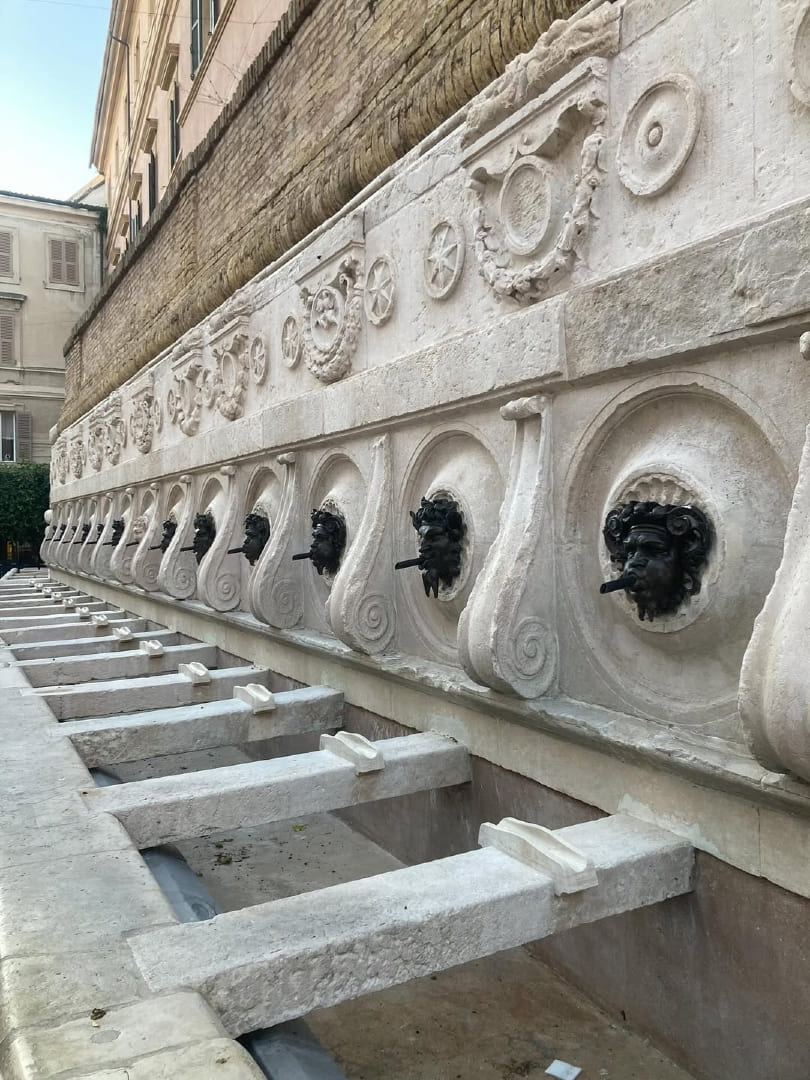
Calamo Fountain

San Ciriaco Cathedral (Ancona Cathedral)

Getting Around

From Via Bruno Leoni, Ancona’s public transport system works well for reaching the center. Line 46 departs from the stop in front of the parking lot and reaches Piazza Cavour in about ten minutes—the heart of the modern city and the natural starting point for any walking itinerary.

Alternatively, lines no. 1 and no. 4 connect the area to the railway station, from where it is easy to continue towards the port or the seafront. Tickets can be purchased at tobacconists or via app (around €1.30 per ride).
Once in the center, Ancona is best explored on foot. The historic center is largely pedestrianized or has limited traffic: you climb towards Guasco Hill for the Cathedral, and descend towards the port for the Arch of Trajan and the Mole. There are climbs, but they are not prohibitive—the route from the square to the Cathedral takes about twenty minutes.
Those who prefer cycling will find some bike paths in the flat areas near the seafront, but the hilly center is not recommended for those who are not physically fit.
Warning: avoid approaching the historic center with a camper. The streets of the Capodimonte district and Guasco Hill are narrow, steeply inclined, and often dead ends.

Points of Interest (PoI)

Pesaro offers a fascinating mix of history, art, music, and nature. Here are the city’s must-see locations.
1
San Ciriaco Cathedral — The Symbol of the City At the top of Guasco Hill, reachable on foot from the center in about twenty minutes (or via shuttle bus no. 11), stands the Cathedral of San Ciriaco: an unexpected masterpiece of Romanesque-Byzantine architecture, built over several centuries from the 11th to the 14th and dedicated to the city's patron martyr. The white and pink stone facade is striking for its elegant sobriety, but it is the location that makes it unique: the Cathedral overlooks both sides of the promontory, with the Adriatic stretching as far as the eye can see. At sunset, the low-angled light transforms the stone into something almost incandescent. Inside, in the crypt, the saint's relics are preserved; on the side altar, there is a Madonna that, according to tradition, made even Napoleon turn pale. The square in front is one of the most beautiful viewpoints on the Adriatic coast — and it is almost always surprisingly quiet, even in high season. Address: Piazza del Senato, 60121 Ancona Hours: Mon-Sun 8:00 AM – 12:00 PM / 3:00 PM – 6:00 PM (winter); Mon-Fri 8:00 AM – 12:00 PM / 1:00 PM – 7:00 PM, Sat-Sun 8:00 AM – 7:00 PM (summer) Entrance: free How to get there: bus line 46 → Piazza Cavour, then ~20 min walk uphill; or shuttle no. 11 from the station
2
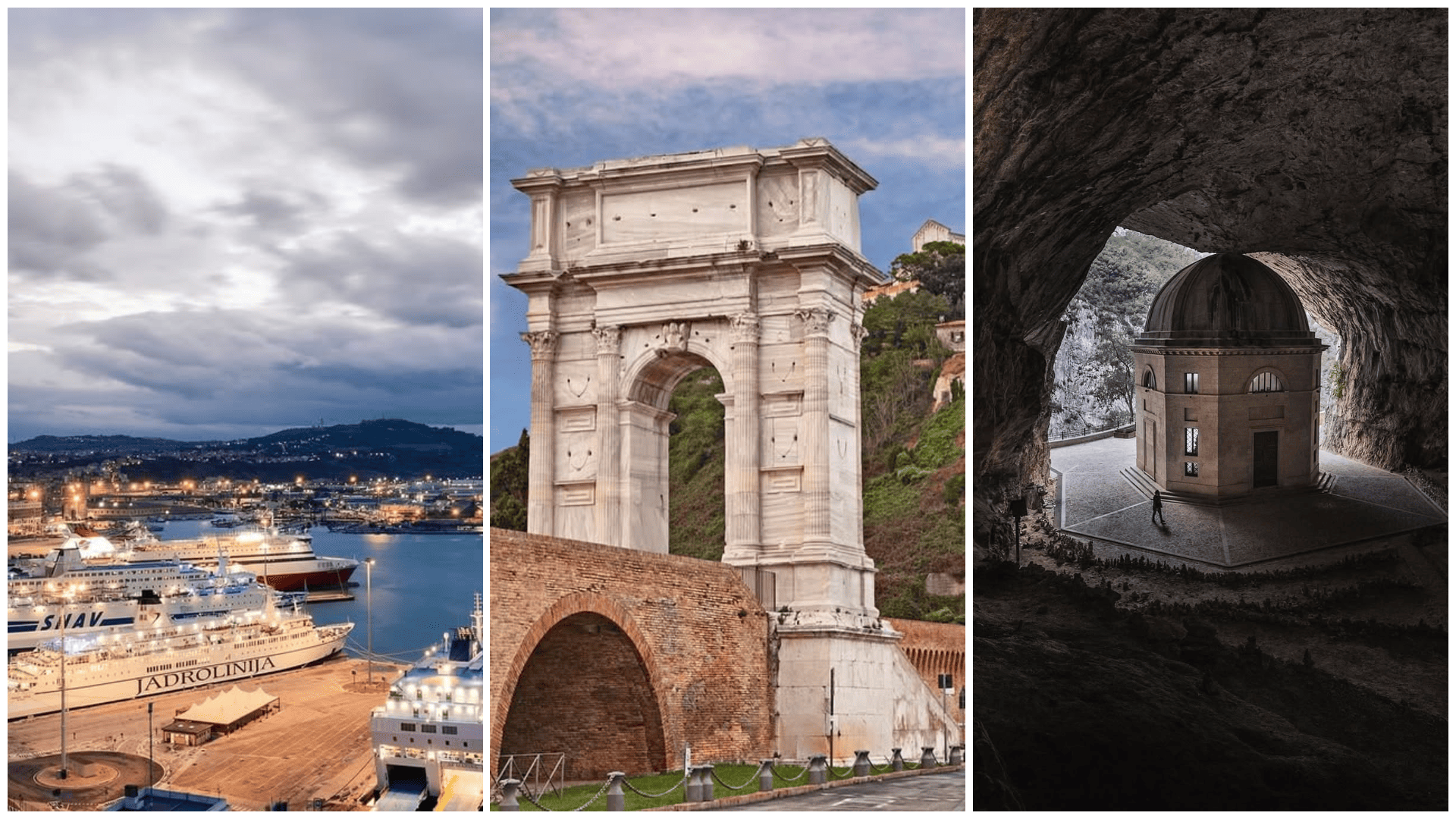
Arch of Trajan and Mole Vanvitelliana Descending from the hill towards the port, the city changes character: it becomes more commercial, more lived-in, with the smell of the sea mixing with that of the coffee from the seafront bars. And it is here, almost hidden among the modern port structures, that one of the best-preserved Roman monuments of the Adriatic is located. The Arch of Trajan, erected in 115 AD to celebrate the emperor who expanded the port of Ancona, is a sober and powerful structure — brilliant white marble, four Corinthian columns, a sense of verticality that surprises. Behind it, almost as an eighteenth-century response to classical antiquity, rises the Clementine Arch, designed by Vanvitelli. A little further on, upon the water, the Mole Vanvitelliana stands out: a pentagonal building constructed on an artificial island, used as a lazaretto for the quarantines of those disembarking from the Levant — and later as a prison (even Casanova wrote about it). Today it hosts cultural events and exhibitions. It is worth a walk along the seafront even just to admire it from the outside. Arch of Trajan Address: Banchina Giovanni da Chio, 60121 Ancona Entrance: free (exterior always accessible) Mole Vanvitelliana: Molo Santa Maria — opening hours vary based on events
3
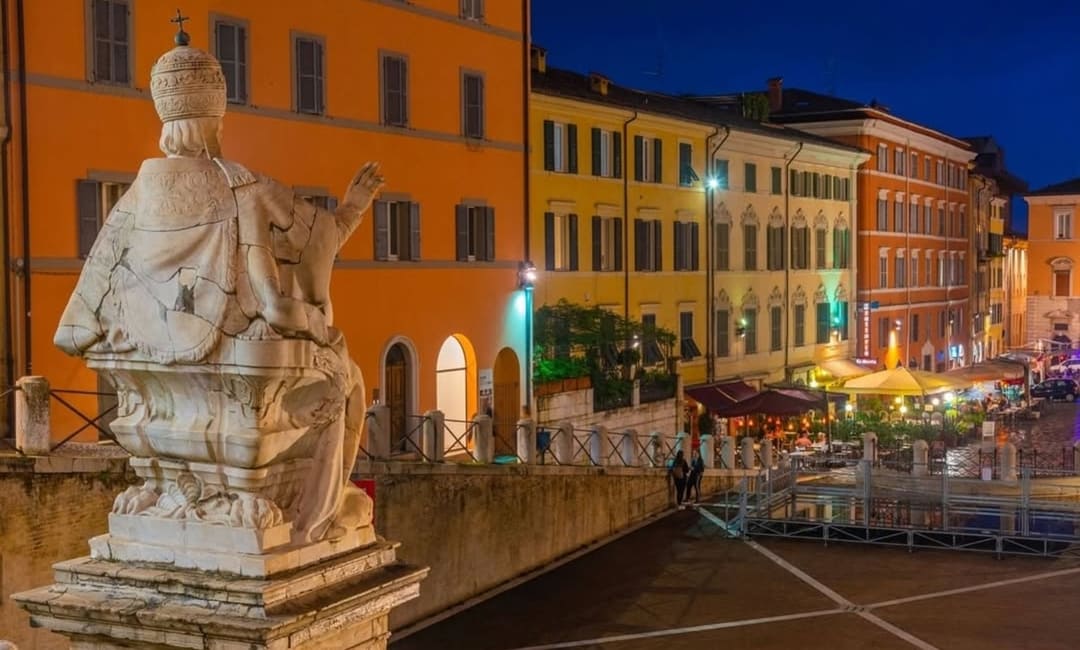
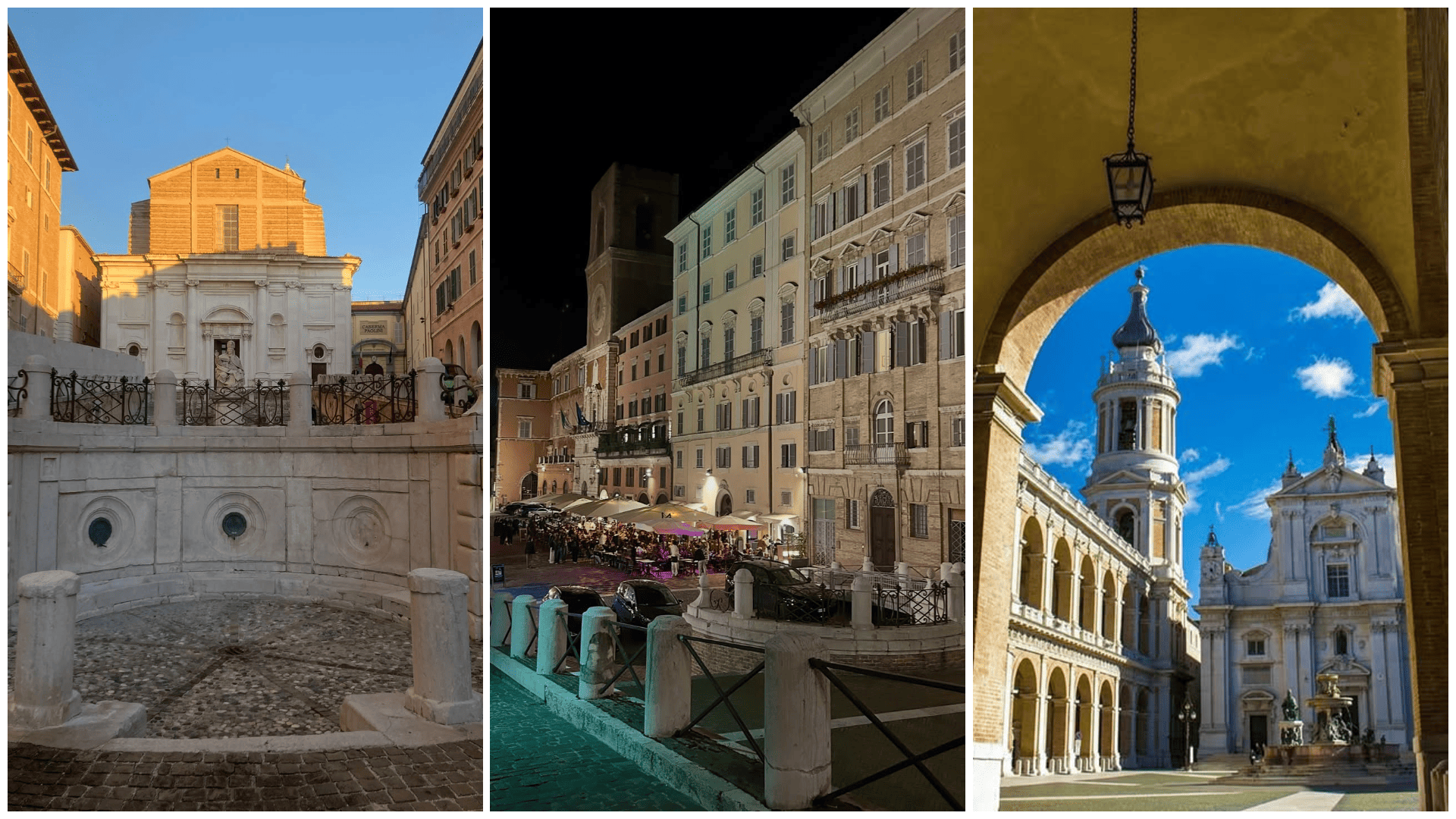
Piazza del Plebiscito — The Civic Heart Chiamata da tutti i residenti "Piazza del Papa" per la statua di Clemente XII che troneggia al centro di un'elegante scalinata, Piazza del Plebiscito è il cuore civico di Ancona: una piazza racchiusa da edifici storici di grande presenza, con un'atmosfera che ricorda certi angoli di Roma in scala minore. Sul lato meridionale si chiude la chiesa di San Domenico, dove è conservata una pala del Tiziano dipinta negli ultimi anni della sua vita. Sul lato opposto, nel Museo della Città, è conservato un bizzarro dipinto seicentesco in cui un artista che non era mai stato ad Ancona ritrasse i suoi abitanti vestiti come turchi — in fondo, la città era allora uno snodo commerciale tra Occidente e Oriente, e questa identità ambigua è rimasta nel suo DNA fino ad oggi. La piazza è ideale per una sosta al bar, per sentire il ritmo della vita locale lontano dal porto e dai traghetti. Indirizzo: Piazza del Plebiscito, 60121 Ancona Ingresso: gratuito (piazza pubblica) Museo della Città: orari variabili — verificare sul sito del Comune di Ancona
4
Cardeto Park — Greenery, History, and Panorama Little known by passing visitors, the Cardeto Park is one of Ancona's most surprising places: a large urban park developed on the city's ancient walls, amidst sixteenth-century bastions, rusted cannons, and pine woods that smell of resin even in summer. Entrance is free, but the internal signage is lacking: it is advisable to photograph the map at the entrance before heading in. Along the route, you encounter highly suggestive sites: the Jewish Cemetery, one of the largest in Europe; the English Cemetery, kept inside the San Paolo bastion; the eighteenth-century Fort Cardeto; and the Old Lighthouse, rebuilt after the two world wars, which offers one of the most beautiful views of the port and the Adriatic. It is the right place for a slow walk in the late afternoon, when the light fades and the city takes on that golden color that only old ports can have. How to get there: bus line 6 → Piazza Cavour, then ~1 km on foot; or line 42 from Corso Carlo Alberto Entrance: free Hours: public park, accessible during daylight hours
5
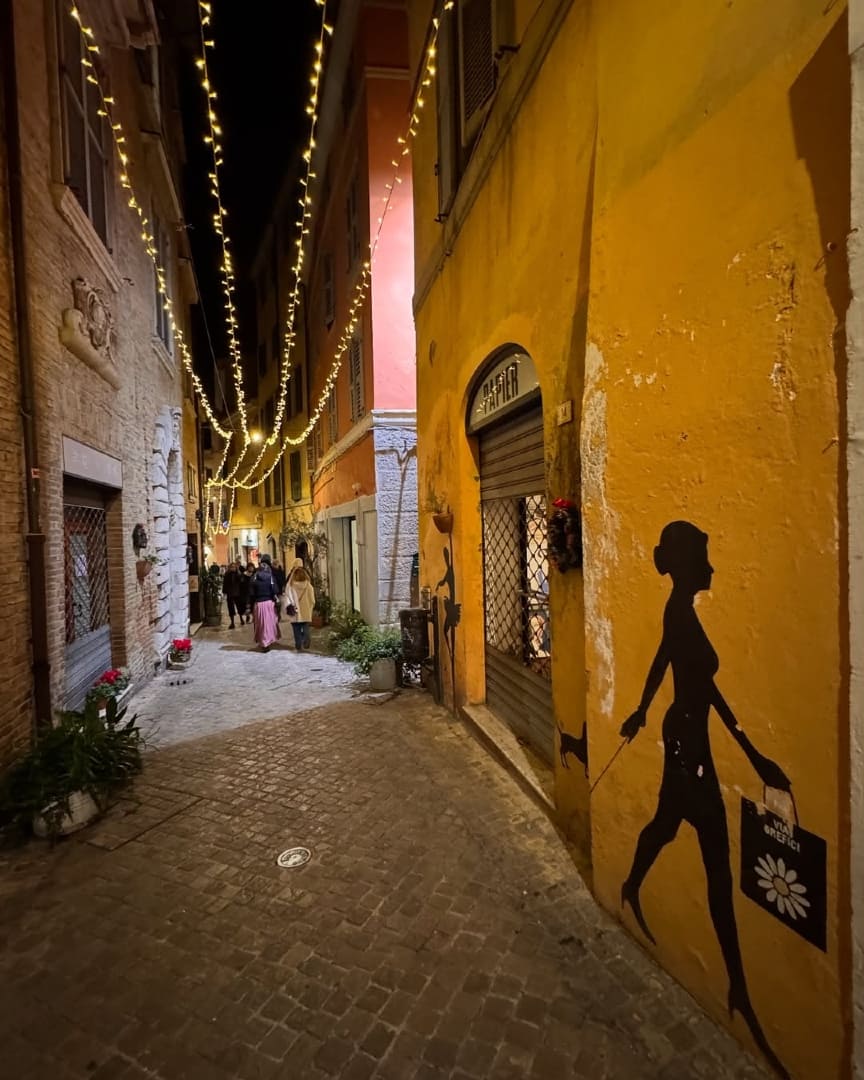
Capodimonte District — Street Art that Tells a Story From Corso Giuseppe Mazzini, the busiest shopping street in the center, a short detour leads to the Capodimonte district: a neighborhood revitalized through a street art project that has transformed gray walls into an open-air museum. The heart of the route is the underpass connecting Via Cialdini and Via Astagno, entirely painted by Italian and foreign artists with dreamlike and colorful subjects: scarecrows, flying houses, fantasy trains, figures that seem to have stepped out of a children's story. Standing out is the work by Bolognese artist Percy Bertolini dedicated to the young shepherd Attilio — a real boy who at the age of seven led sheep to pasture in the Conero mountains — portrayed in black and white with a bundle of wood on his shoulder. It is not the most classic stop in Ancona, but it is the one that surprises the most, especially for those who love urban art and neighborhood stories. Address: Via Cialdini / Via Astagno, Ancona (Capodimonte district) How to get there: on foot from Corso Mazzini, ~5 min Entrance: free (public space)
Pope Clement XII in Piazza del Plebiscito in Ancona

Seasonal Events

Rossini Opera Festival

When: May 4th
Where: San Ciriaco Cathedral and the historic center of Ancona
What: On May 4th, Ancona celebrates its patron saint with a day of religious and civil festivities culminating in a solemn mass at the Cathedral and a procession through the streets of the historic center. The atmosphere is that of a large-scale village festival: the streets fill up, bars stay open until late, and Guasco Hill comes alive with families and visitors. For a camper traveler in the area during this time, it is a rare opportunity to see Ancona as its inhabitants experience it, far from the ferry season and the summer beach rush. Check the specific details for the current edition on the Municipality of Ancona website.

Teatro delle Muse Season
When: October – May Where: Teatro delle Muse, Via della Loggia 4, Ancona What: The Teatro delle Muse is one of the most beautiful historic theaters in the Marche region: a neoclassical building overlooking the port, featuring a season of drama, opera, and concerts of national prestige. Those visiting Ancona in the low season — which, incidentally, is the most suitable time for campers — can take advantage of an evening at the theater, an experience far removed from the city's image as a simple port of call. The full program is available on the theater's official website. Prices and availability vary for each performance.
Conero Riviera Summer

When: June – September
Where: Sirolo, Numana, Portonovo (AN)
What: The Conero Riviera, twenty minutes south of Ancona, comes alive in summer with concerts, local festivals, and cultural initiatives in the villages of Sirolo and Numana. Rather than a single large festival, it is a widespread calendar of events that makes every summer weekend a potential surprise. The Conero municipalities publish their seasonal programs on their respective official websites. Ideal as an extension of a stay in Ancona: leave the camper at Scataglini for services and head towards the white beaches of the promontory via summer shuttles. The inner roads of the Conero Park are narrow: access with large motorhomes is not recommended.

Typical Dishes and Local Products

You cannot say you have truly tasted Ancona without sitting down before a bowl of brodetto. Not a generic “fish soup” — woe betide anyone who calls it that in the Marche — but the Anconetan brudetu: the seafood soup that, according to local tradition, is the mother of all Adriatic soups, the archetype from which all variations from Rimini to Pescara derived.

Born on fishing boats as a poor man’s dish — made with the catch that couldn’t be sold at market — Anconetan brodetto has a strict rule: it must contain exactly thirteen varieties of fish. Thirteen, like the lucky number of the fishermen, like the “13 spouts” of the Fontana del Calamo so dear to the people of Ancona. The other characteristic that distinguishes it from its Northern Adriatic cousins is the deglazing with vinegar — never white wine — which stabilizes the cooking and prevents the fish from falling apart.

Anconetan Brodetto Recipe

Ingredients (serves 4):
  • ~1.5 kg mixed fish in 13 varieties: cuttlefish, squid, musky octopus, sole, hake, monkfish, smooth-hound, red mullet, scorpion fish, mantis shrimp, king prawns, mussels, clams (adjust to available catch)
  • 1 golden onion, thinly sliced
  • 2–3 garlic cloves, crushed
  • 1 generous glass of extra virgin olive oil
  • ½ glass of white wine vinegar
  • 250 g tomato purée + 2–3 tablespoons of tomato concentrate
  • 1 bunch of fresh parsley, chopped
  • Salt and pepper to taste
  • Lightly salted water as needed
  • Stale crusty bread, toasted in slices
Preparation Method:
  1. Cleaning the fish: Clean and wash all the fish thoroughly. Clean the cuttlefish by removing the bone, ink sac, and beak, then cut into pieces. Cut larger fish into steaks. Arrange everything on a large plate and salt lightly.
  2. The base sauté: In a large earthenware pot (or a very thick-bottomed pan), pour the oil and sauté the sliced onion and crushed garlic over medium heat until golden.
  3. Deglazing with vinegar: Raise the heat and pour in the vinegar. Let it evaporate completely — this step is the secret of Anconetan brodetto: it flavors the base and helps keep the fish intact during cooking.
  4. The base sauce: Once the vinegar has evaporated, add the chopped parsley, tomato purée, and the concentrate dissolved in a little salted water. The sauce should be quite liquid. Cook over low heat for 10–15 minutes.
  5. Cuttlefish first: Add the cuttlefish and squid (the mollusks that require the most cooking). Cover with a lid and cook over low heat for at least 15–20 minutes, until the sauce begins to reduce.
  6. The rest of the fish: Move the cuttlefish to the edge of the pot. Add the fish in order of cooking time: first mantis shrimp, langoustines, and larger fish (monkfish, smooth-hound), then medium fish (hake, mullet, scorpion fish), and finally sole and more delicate fish. Cover and cook for another 15–20 minutes over very low heat.
  7. Resting: Turn off the heat and let it rest, covered, for at least 10 minutes. The sauce should be thick and a beautiful dark red color.
  8. Serving: Place the toasted bread slices at the bottom of the bowls and pour the boiling brodetto over them. Sprinkle with fresh parsley. Ideal pairing: a Verdicchio dei Castelli di Jesi, still and cellar-cool.
Historical and Cultural Note

Anconetan brodetto is considered the oldest in the Adriatic tradition — the first “white” recipes date back to medieval fishermen, while tomatoes only entered the recipe after the 17th century. Every family in Ancona guards its own version, with small variations passed down through generations: some add saffron, some use homemade preserves boiled in tin drums, and some swear it cannot be called brodetto without the earthenware pot. The number 13 is not just any superstition: it recalls the 13 spouts of the Fontana del Calamo, a symbol of the city built in 1560. A dish that tells the story of a port open to the entire Mediterranean.

Useful Tips

When to go: Spring (April–May) and early Autumn (September–October) are the ideal seasons — mild temperatures, fewer tourists, available parking, and lower prices. Summer brings the ferry crowds and prices rise; winter is quiet, but some events and facilities are closed.
Respect the ZTL: The historic center of Ancona is largely a Limited Traffic Zone (ZTL). Do not attempt to approach the Cathedral district or the narrow streets of the center with a camper: ZTL cameras are active, and the roads are often physically impassable for tall vehicles. Always use peripheral parking and public transport.
Technical operations before departing: If you need to fill/empty your water tanks, take advantage of the Scataglini area before leaving Ancona. It is free, functional, and convenient from the highway.
The Conero within reach: If you have an extra day, head south. Twenty minutes away is the Conero Riviera with the beaches of Portonovo, Sirolo, and Numana — some of the most beautiful on the Adriatic. Warning: the roads within the Conero Park are narrow and winding, not suitable for long campers. It is better to leave the vehicle on the flat ground and head down to the beaches using the summer shuttles.
The Mercato delle Erbe: If you want to do some quality shopping before setting off, the Mercato delle Erbe (Via della Loggia) is one of the most beautiful indoor markets in the Marche region — fresh fish, local vegetables, cheeses, and cured meats. Open in the morning, Monday to Saturday.

👉 Ancona is one of those cities that is discovered late and regretted immediately: all too often viewed only through a ferry window, it hides a layering of history, art, and gastronomy that makes it an essential stop for anyone traveling the Adriatic coast by camper. Add it to your list — and this time, actually stop.

0

post a comment