
Top

Visit Lugano

Switzerland with an Italian soul

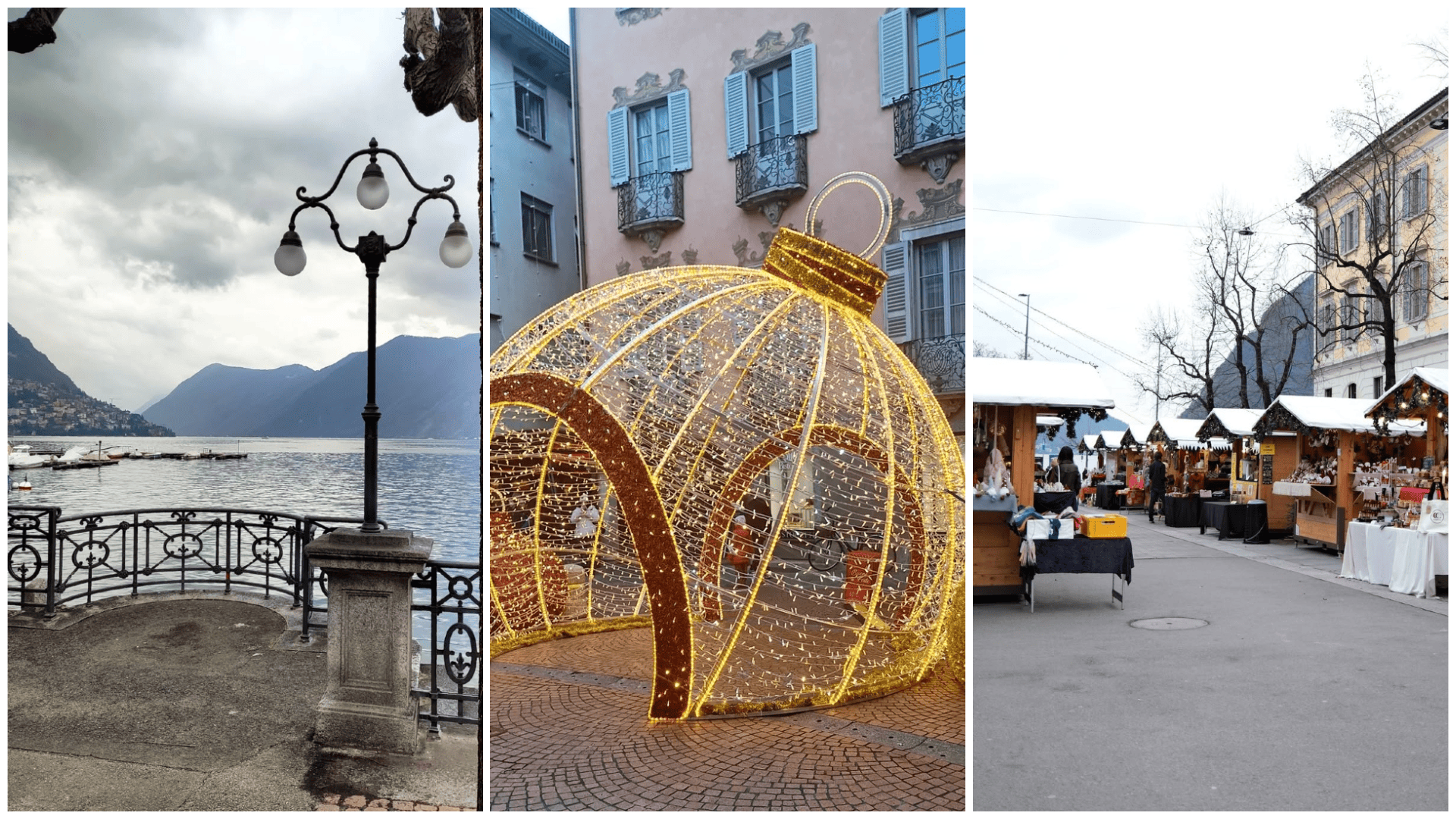
Lugano is the pearl of the Canton of Ticino, a city where Swiss elegance harmoniously blends with Italian vibrancy. Nestled on the shores of the lake that bears its name and surrounded by the verdant peaks of Monte Brè and Monte San Salvatore, Lugano offers a postcard-perfect setting that changes with the seasons while always maintaining its Mediterranean charm.

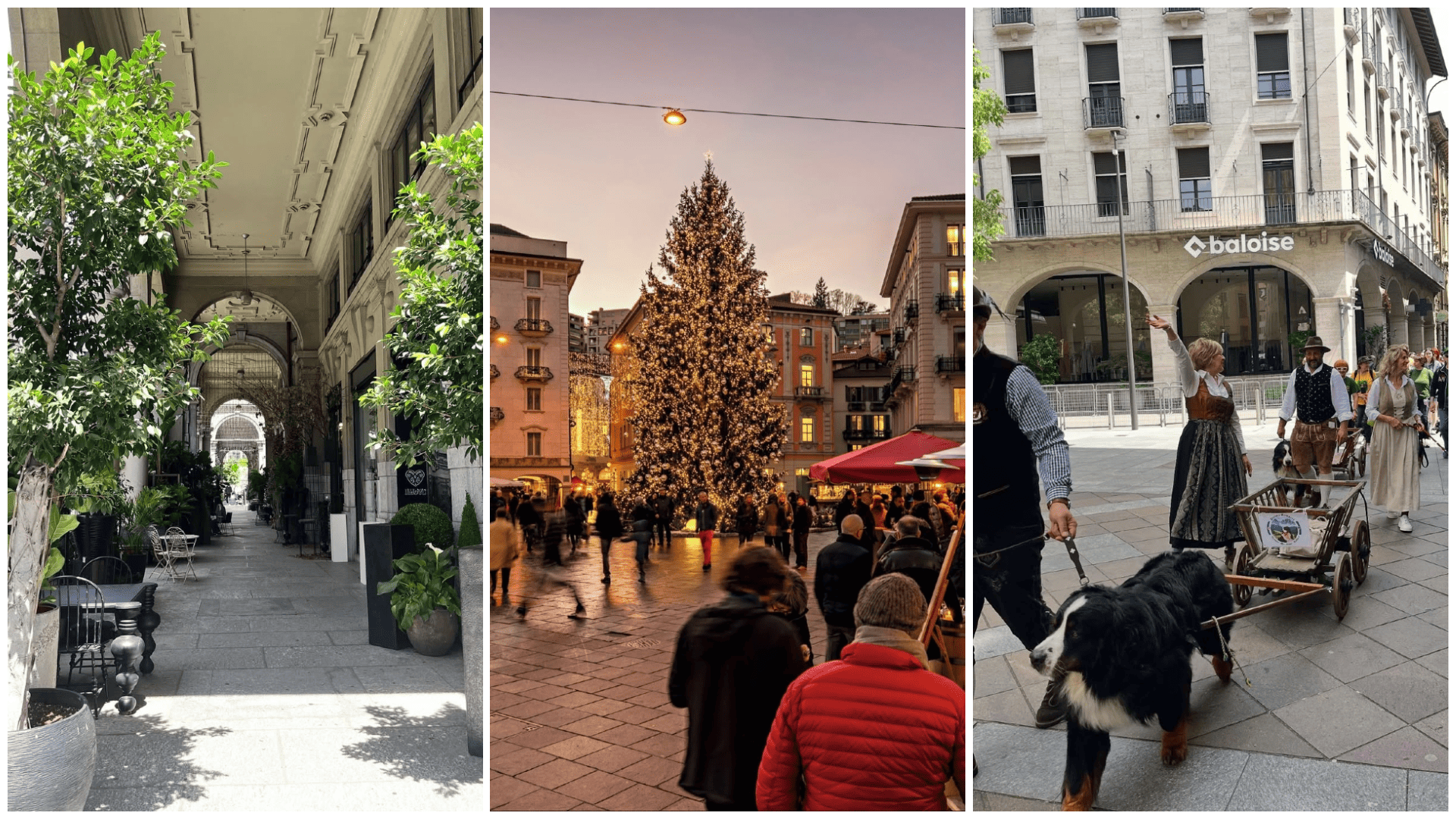
With its elegant porticos, squares buzzing with open-air cafés, pastel-colored neoclassical buildings, and palm trees swaying along the lakeside promenade, Lugano feels like a corner of Italy transplanted into Switzerland. The official language is Italian, the cuisine is a perfect mix of Lombard tradition and Swiss precision, and the atmosphere is the relaxed and welcoming one characteristic of the South, yet with typically Helvetic efficiency and cleanliness.

Visiting Lugano by camper means discovering a city rich in history and culture, with world-class museums like the LAC (Lugano Arte e Cultura), churches frescoed by Renaissance masters, meticulously manicured English-style parks, and a pedestrianized historic center perfect for strolling between luxury boutiques and artisan shops. But Lugano is also about nature: from its shores, you can embark on panoramic hikes up the surrounding mountains, boat trips to picturesque villages like Gandria and Morcote, and cycling paths that hug the lake.

Lugano’s strategic location also makes it an ideal base for exploring the Canton of Ticino and nearby Italian locations: the borders of Como and Varese are just minutes away, while the Swiss Alpine valleys open up to the north. With the Ticino Ticket, included free of charge for those staying at campsites in the region, you can travel freely on all public transport throughout the canton, making your visit even more convenient and sustainable.

Stopovers and overnight stays

Lugano offers several solutions for staying overnight in a camper, from the practical rest area in the city center to fully equipped campsites on the lake shores. The choice depends on your needs: those who want to visit the city and prioritize convenience will opt for the central rest area, within walking distance of the lakeside promenade. Conversely, those seeking relaxation, green spaces, and complete services will prefer the lakeside campsites in Agno or Muzzano, just a few kilometers from the center but immersed in nature with direct access to crystal-clear waters.

An important advantage: by staying overnight at campsites in the Canton of Ticino, you automatically receive the Ticino Ticket, which allows you to use all public transport in the region (buses, trains, boats) for free for the entire duration of your stay, as well as discounts on cable cars and tourist attractions.

Recommended areas

🅿️ Lugano City Center Camper Stop (Area Sosta)

Via Montarina / Via Tassino (near the train station)

This is the only official camper stop located almost in the city center, ideal for those wishing to visit Lugano on foot or by public transport. Its proximity to the train station makes it easy to reach the center and take trains or buses for excursions in the surrounding areas. It is a 10-15 minute walk from the lakeside promenade.

Rates: 20-24 CHF per 24 hours (hourly rates available for short stays)

Maximum stay: 48 hours

Available spaces: 8-12 slots (fills up quickly, arrive early) Services provided: water filling, gray and black water drainage, electrical hookups, included Wi-Fi, and an automated payment machine.

Important notes:

  • The area can be noisy due to its proximity to the railway tracks.
  • Limited spaces available; it fills up fast, especially on weekends and during high season.
  • Access/exit may be narrow for very long campers (over 7 meters).
  • Payment at the automated machine: bring coins (CHF or Euro) or credit cards.

GPS: 46.000664, 8.944572

🅿️ TCS Camping Lugano-Muzzano

Via alla Foce 14, 6933 Muzzano (6 km from Lugano)
TCS Camping Lugano-Muzzano is the ideal choice for those seeking comfort, high-level services, and a relaxing atmosphere on the lake. This 4-star facility offers everything you need for a perfect holiday: a swimming pool to cool off after excursions, a restaurant serving Ticino cuisine for those who don’t want to cook, a private beach for swimming in the lake, and entertainment for children. The Mediterranean climate, shade-giving trees, and views over the Gulf of Agno and the mountains create a “dolce far niente” atmosphere highly appreciated by families. With the Ticino Ticket included, reaching Lugano and other locations in the canton is extremely convenient and free of charge.
How to get there: A2 Motorway (Basel-Lucerne-Chiasso), Lugano Nord exit. Follow directions for Agno/Airport. From Agno, turn left towards the airport, and after 100m turn right following the signs for the campsite.

Connections to Lugano city center:

  • Bus stop 1 km away (regular lines to Lugano)
  • Cappella-Agnuzzo train station 1 km away (15 minutes to Lugano center)
  • Approximately 20 minutes by bicycle

Phone: +41 91 994 77 88

Email: camping.muzzano@tcs.ch

Website: www.campingtcs.ch

Opening period: Open all year round

GPS: 45.995274, 8.908673

🅿️ Camping La Palma

Via Molinazzo 21, 6982 Agno (8 km from Lugano)

Camping La Palma is considered one of the most beautiful campsites in the area, thanks to its direct lakeside location with views over the Gulf of Agno and the surrounding mountains. Family-run for 50 years, it offers an international and welcoming atmosphere. The owner, Pascal, is very helpful and speaks fluent English, always ready to give advice on what to see and where to go. The pitches are immersed in a flat natural oasis with ancient trees providing shade on warm days. It is perfect for those seeking tranquility, nature, and proximity to the lake, with the convenience of having Lugano just 15 minutes away by train. It is also an ideal base for exploring both Switzerland and Italy, being very close to the border.

How to get there: A2 Motorway, Lugano Nord exit toward Agno Airport. The campsite is located near the Lugano-Agno airport.

Connections to Lugano city center:

  • Train station 5 minutes away on foot
  • Train to Lugano center: 15 minutes
  • Local buses with stops nearby

Phone: +41 79 292 25 56

Email: campinglapalma@gmail.com

Website: www.campinglapalma.ch

Opening period: Seasonal (April 14 – October 26) GPS: 45.995055, 8.904232
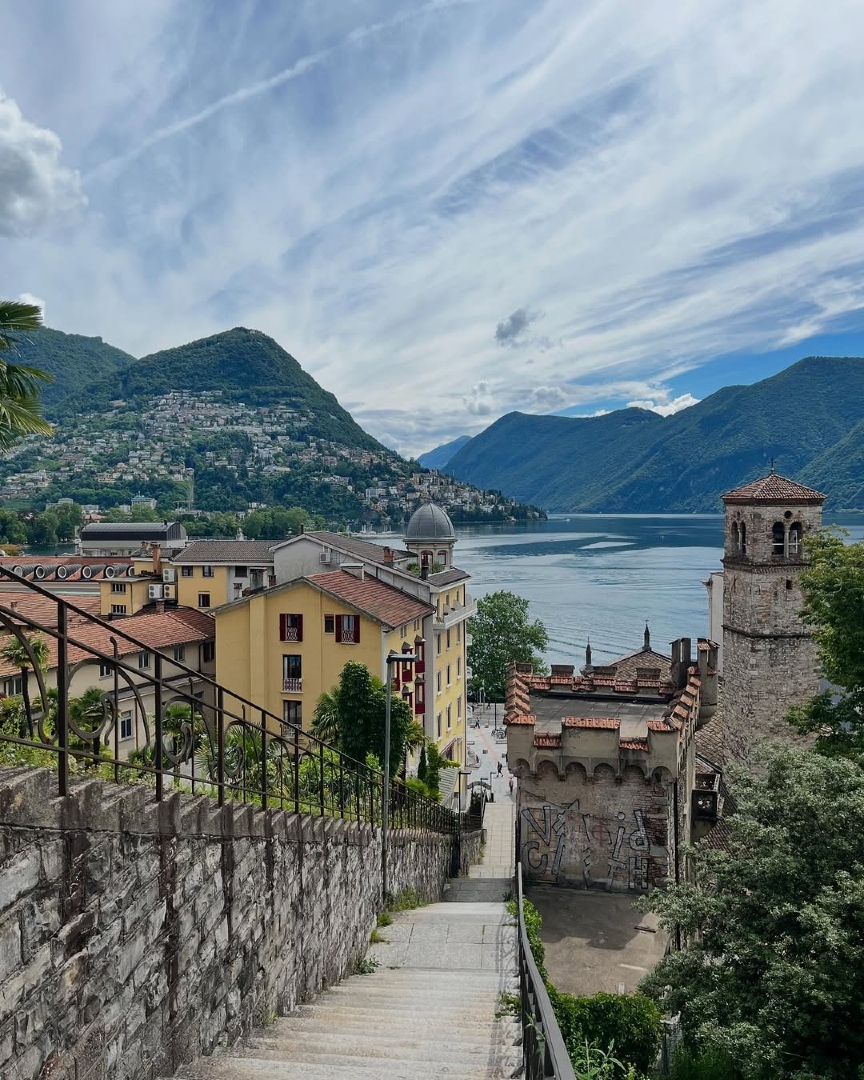
“lake view

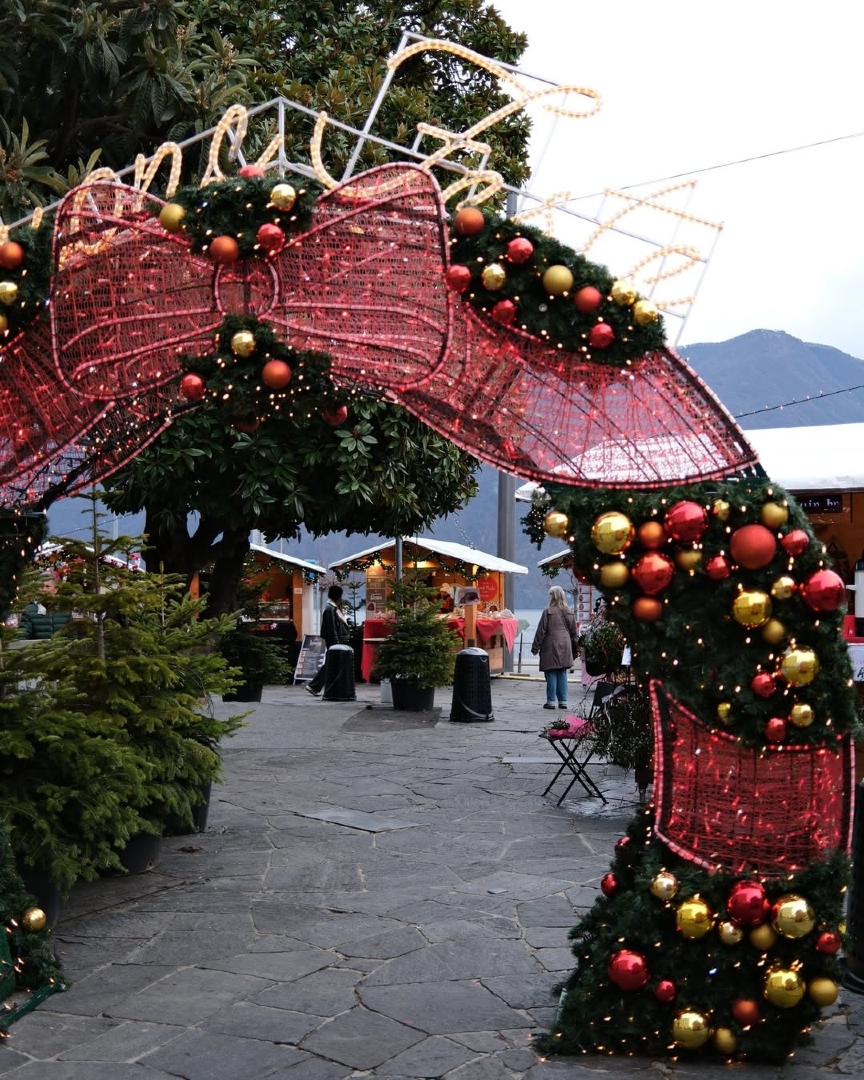
“Christmas markets … on the lakefront”

Getting Around

Getting around Lugano and its surroundings is extremely simple thanks to the efficiency of the Swiss transport system and the invaluable Ticino Ticket, which you receive for free when staying at campsites in the region.

Ticino Ticket – Your free pass: By staying overnight at TCS Camping Muzzano or Camping La Palma, you automatically receive the Ticino Ticket, which includes:

  • Unlimited free public transport throughout the Canton of Ticino (urban and regional buses, regional trains, lake ferries)
  • Discounts on cable cars (Monte San Salvatore, Monte Brè, Monte Generoso)
  • Discounts on tourist boat trips on Lake Lugano
  • Discounts on main tourist attractions in Ticino
  • Valid for the entire duration of your stay

In Lugano city center:

  • The historic center is completely pedestrianized and can be easily explored on foot in 20-30 minutes
  • From the lakefront to Piazza della Riforma: 5 minutes on foot
  • From the train station to the lakefront: 10 minutes on foot
  • Main attractions (San Lorenzo Cathedral, Church of Santa Maria degli Angioli, Ciani Park, LAC) are all within walking distance

Urban buses:

  • Extensive network with stops every 10-15 minutes
  • Single ticket: 2.80 CHF (but free with Ticino Ticket if staying at a campsite)
  • Day pass: from 4.60 CHF (recommended if starting from the central Camper Stop and planning to move around a lot)

Regional trains:

  • Connecting Lugano with all major towns in Ticino
  • From Lugano to Bellinzona: 25 minutes
  • From Lugano to Locarno: 40 minutes
  • From Lugano to Chiasso (Italian border): 20 minutes
  • Free with Ticino Ticket

Panoramic funiculars:

  • Monte San Salvatore: funicular from Paradiso, 12 minutes, runs every 30 min (09:00-18:00, extended until 23:00 in summer). Round-trip price: 30 CHF adults, discount with Swiss Half-Fare Card or Ticino Ticket
  • Monte Brè: funicular from Cassarate, 14 minutes in 2 sections, runs every 30 min (09:00-19:00). Round-trip price: 25 CHF adults, discount with Ticino Ticket

Lake boats (Ferries):

  • Connecting Lugano with Gandria, Morcote, Melide (Swissminiatur), Ponte Tresa
  • Daily trips from April to October
  • Full lake tour: approximately 3 hours
  • Free or discounted with Ticino Ticket

By bicycle:

  • Well-marked cycling paths along the lake
  • Lugano-Agno-Ponte Tresa route: 15 km, flat
  • Bike rental: 25-35 CHF/day (rental points in the center and at campsites)

By car (if necessary):

  • Parking in the center: 3-4 CHF/hour (expensive, better to use the camper stop or campsites + public transport)
  • Free parking available at the campsites
  • A2 Motorway: requires the annual Swiss Vignette (40 CHF, mandatory)

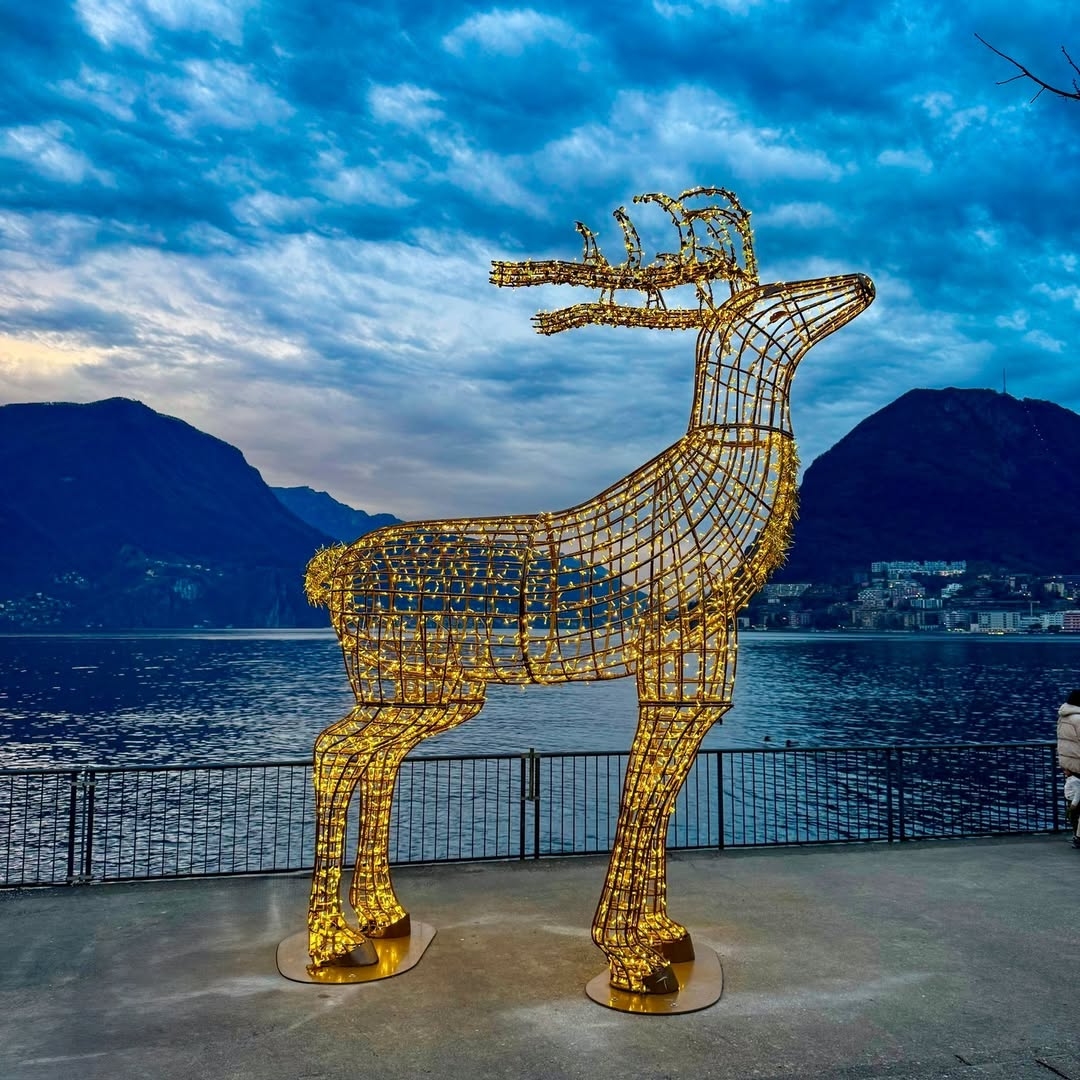
“Christmas decorations”

let’s warm up a bit

Points of Interest (PoI)

Lugano is a city that surprises with the variety of its attractions: from the historic center rich in art and history to the panoramic mountains, from world-class museums to romantic parks, and from frescoed churches to food and wine experiences in the typical “grotti.” Here are the must-see points of interest to discover every side of Lugano.

1
Monte San Salvatore – The "Sugarloaf" of Switzerland Lugano's iconic mountain (912 m a.s.l.), nicknamed "The Balcony of Italy" for its breathtaking 360° panorama over Lake Lugano, the Alps, and the Po Valley. It can be reached in just 12 minutes via a scenic panoramic funicular. Getting there: Funicular from Paradiso (a district of Lugano), easily reachable by bus no. 2 from the city center (10 minutes) or on foot along the lakeside promenade (20 minutes). What to see: The view from the summit is simply spectacular. On clear days, you can see the Swiss Alps (Monte Rosa, Matterhorn), Lake Maggiore, Lake Como, and even Milan. At the top, there is a small museum dedicated to the geology and history of the mountain, a panoramic restaurant, and a small church. Several well-marked hiking trails allow you to walk down toward Carona, Pazzallo, or Paradiso (approx. 1h 30 min). Practical info: Layered clothing is recommended (it can be cool at the summit even in summer). It is an excellent spot for sunset. For the more adventurous, there is an adrenaline-pumping via ferrata. Tel: +41 91 985 28 28, Web: www.montesansalvatore.ch
2
Monte Brè Known as the "sunniest mountain in Switzerland" (925 m a.s.l.), it offers a panoramic view of the lake, Lugano, and the Alps. At the summit lies the picturesque village of Brè, an ancient artist enclave featuring a themed art trail. Getting there: Funicular from Lugano-Cassarate (the district is reachable by bus no. 1 from the center or a 15-minute walk along the lakeside promenade). What to see: Monte Brè offers a different perspective compared to San Salvatore, with a more eastern view of the lake and the Lombard Prealps. The village of Brè is a gem: cobblestone streets, colorful stone houses, and about twenty contemporary artworks scattered throughout the village along the "Artists' Trail." The panorama encompasses Monte Rosa, the Bernese Alps, and the Valais Alps. It is perfect for lunch in one of the traditional restaurants with a lake-view terrace. Practical info: It is possible to hike up or down (well-marked trails, approx. 1h 30 min). The village is car-free, and the atmosphere is very peaceful. Tel: +41 91 971 31 71, Web: www.montebre.ch
3
San Lorenzo Cathedral The main place of Catholic worship in Lugano, this cathedral is a splendid example of architectural layering, featuring Romanesque, Gothic, Renaissance, and Baroque elements. Its facade is considered a masterpiece of the Lombard Renaissance. Getting there: Salita della Cattedrale, in the heart of the historic center (a 5-minute walk from the train station). What to see: Founded in the 11th century in Romanesque style, it was expanded and enriched between the 15th and 16th centuries. The original Romanesque bell tower was renovated in the 17th century and now houses nine bells. Inside, you can admire artistic masterpieces: the majestic marble high altar, the wooden choir, an ancient octagonal baptismal font dating back to 1430, and above all, the Chapel of the Madonna delle Grazie, finely decorated with columns, frescoes, and an elaborate marble altar. Thanks to its elevated position, the cathedral also offers a splendid panoramic view over Lugano and the lake.
4
Piazza della Riforma Lugano's "living room," the main square of the historic center is surrounded by elegant pastel-colored neoclassical buildings and animated by cafés with outdoor seating. Formerly known as "Piazza Grande," it took its current name in memory of the 1830 reform of the Constitution of the Canton of Ticino. What to see: It is the beating heart of the city and a meeting point for locals and tourists alike. On one side stands the Palazzo Civico (Town Hall), an imposing mid-19th-century neoclassical building with an ochre-yellow facade. The square hosts events throughout the year: the Lugano Festival (jazz and music), the Christmas market, the August 1st celebrations (Swiss National Day), concerts, and cultural events. The surrounding porticos offer shelter from both sun and rain. Practical info: Stop for a coffee at the Gran Caffè al Porto (a historic venue since 1803) or for an evening aperitivo. From here, Via Nassa (luxury shopping) and Via Pessina (authentic shops and historic cafés) branch off. On Tuesday and Friday mornings, a fresh flower, fruit, and vegetable market is held here.
5
LAC - Lugano Arte e Cultura The main cultural center of the Canton of Ticino, a contemporary architecture hub for museums and performing arts that houses the MASI (Art Museum of Italian Switzerland), concert halls, theater, and performance spaces. What to see: MASI offers permanent collections and temporary exhibitions ranging from the Renaissance to contemporary art, with a particular focus on Swiss and Ticinese artists. The theatrical program includes prose, dance, opera, as well as classical and jazz concerts. Highlights: In addition to its high-level art collections, the LAC itself is a remarkable architectural work, featuring bright spaces, panoramic lake-view terraces, and a café with a view. The LAC library is open to the public free of charge. Check the online program for concerts and events (tickets required). Practical info: Tel: +41 58 866 42 22, Web: www.luganolac.ch

Seasonal Events

Lugano offers a calendar packed with cultural, sporting, and food and wine events throughout the year. From jazz music to Christmas markets, and from sailing regattas to food festivals, there is always something to discover in the city on the lake.

Lugano Festival - Musical Summer

When: June-August

Where: Lugano

What: Summer music festival that transforms Piazza della Riforma and other locations in the city into open-air stages. The festival offers jazz, blues, soul, pop, and classical music concerts featuring international and local artists. Performances in Piazza della Riforma are often free or open to the public. Full program at www.estival.ch and lugano.ch

August 1st Celebration - Swiss National Day

When: August 1st

Where: Lugano

What: Celebration of the Swiss National Day with events throughout the city. Piazza della Riforma hosts official speeches, live music, and food stalls. The highlight is the traditional patriotic bonfire and the fireworks display over the lake at sunset, visible from the lakeside promenade and Monte San Salvatore. It is a unique opportunity to immerse yourself in Swiss culture, taste Ticinese specialties, and witness a spectacular pyrotechnic show with the lake and mountains illuminated. The atmosphere is festive and draws large crowds.

Lugano Christmas Market

When: Late November - late December

Where: Piazza della Riforma - Lugano

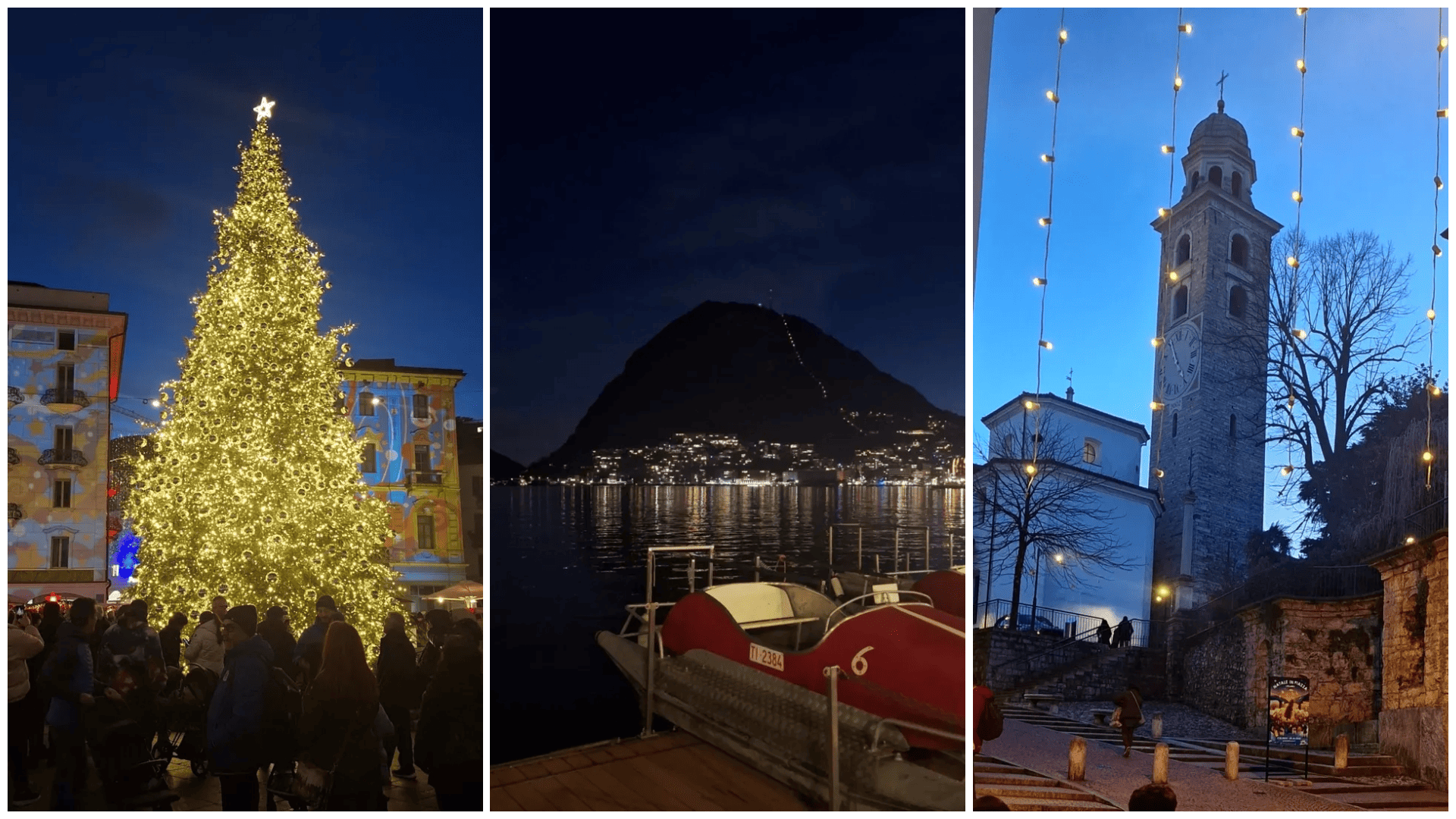
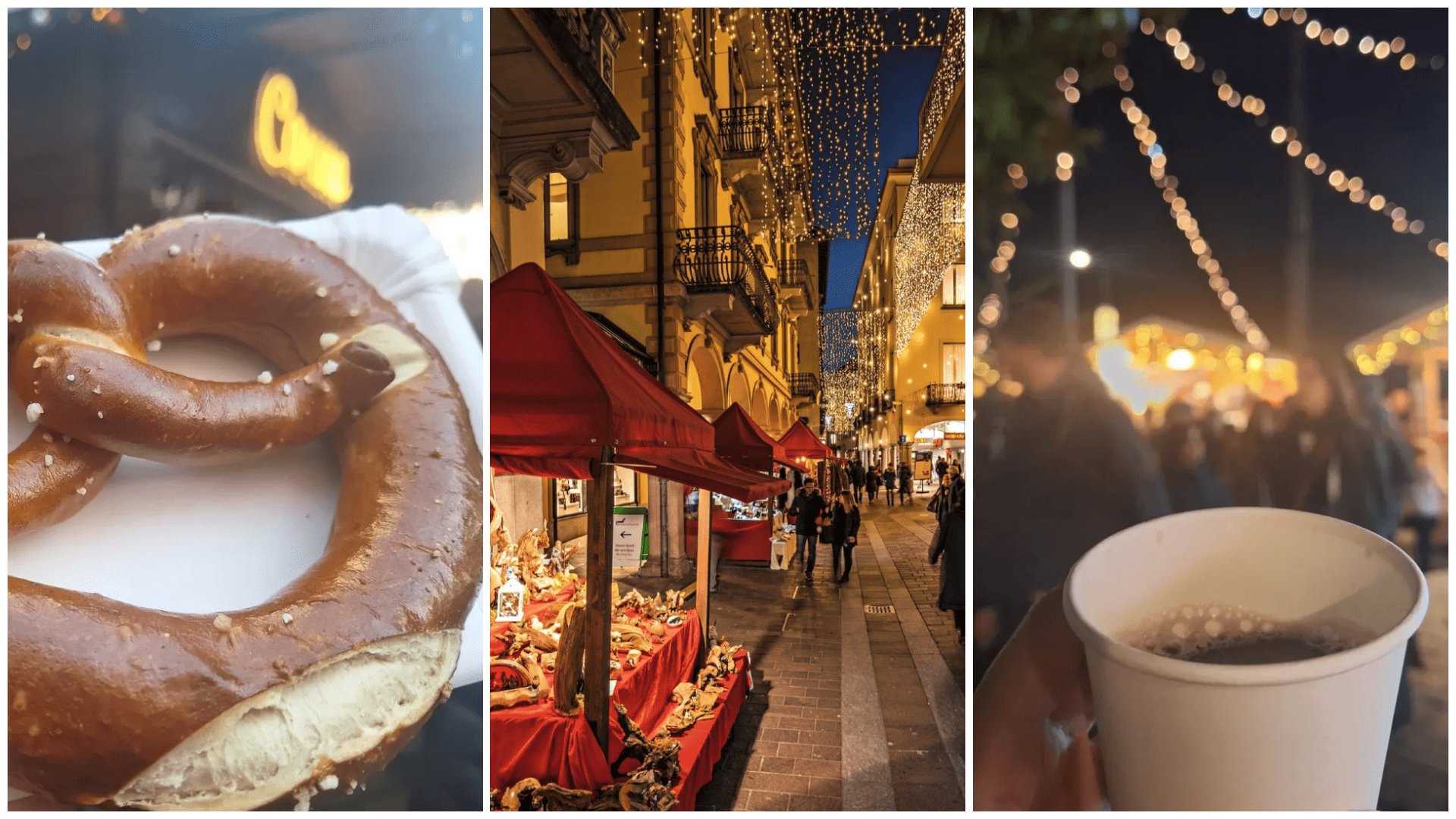
What: Piazza della Riforma is transformed into an enchanting Christmas village with wooden chalets selling handicrafts, Christmas decorations, and typical Ticinese and Swiss products. Food stalls offer mulled wine, hot chocolate, roasted chestnuts, raclette, and other specialties. Features include a giant Christmas tree, festive lights throughout the historic center, live music, and gospel choirs. The Lugano market is one of the most beautiful and authentic in Italian Switzerland, with a warm and welcoming atmosphere that contrasts pleasantly with the winter cold. Perfect for buying artisanal gifts, tasting Ticinese sweets (panettone, amaretti, nougat), and immersing yourself in the Christmas spirit. The illuminated historic center is a sight to behold. Free admission, generally open 10:00 AM - 8:00 PM. Very crowded on weekends.

Typical Dishes and Local Products

Ticinese cuisine is a perfect blend of Lombard tradition and Swiss refinement, based on genuine products, savory flavors, and recipes passed down through generations. In Lugano, you cannot miss the region’s signature dish: Risotto with Luganighetta and Merlot, a rich and creamy first course that tells the story of the land through two of Ticino’s most iconic ingredients.

Luganighetta: The Quintessential Ticinese Sausage

Luganighetta (or luganiga) is the traditional sausage of the Canton of Ticino and the undisputed star of local cuisine. It stands out from common Italian sausages due to its unique spice blend: garlic, black pepper, cinnamon, and nutmeg provide an unmistakable flavor—delicate yet intense. The pork is coarsely ground and carefully encased following a recipe dating back centuries, which every Ticinese family jealously guards with small personal variations. The luganighetta takes its name from the city of Lugano, where it originated among peasant families who needed to preserve pork after the “mazza” (the traditional winter slaughter).

Ticinese Merlot: The Region’s Premier Wine

Merlot is the red wine par excellence of the Canton of Ticino, introduced at the end of the 19th century following the phylloxera crisis. The mild climate, well-drained soils, and sunny exposure of the Ticinese hills create ideal conditions for this Bordeaux grape variety. Ticinese Merlot has a bold character, fruity notes of cherry and plum, and a balanced tannic structure. This makes it perfect both for pairing with robust traditional dishes and for deglazing risotto, where it releases intense aromas that enhance the flavor of the luganighetta.

Risotto with Luganighetta and Merlot Recipe

Ingredients (serves 4):
  • 320g Carnaroli or Arborio rice (Carnaroli is preferred for its better cooking consistency)
  • 400g fresh Ticinese luganighetta
  • 1 medium onion (or 2 shallots), finely chopped
  • 2 dl (200ml) good quality Ticino Merlot
  • 1 liter hot meat broth (preferably homemade beef broth, otherwise high-quality bouillon)
  • 80g fresh butter (divided: 50g for the sauté, 30g for the “mantecatura”)
  • 100g cheese of your choice:
    • Ticinese Alpine cheese, finely diced (recommended for authenticity)
    • or grated Sbrinz
    • or grated Parmigiano Reggiano
  • 4 tablespoons extra virgin olive oil
  • Salt to taste
  • Freshly ground black pepper to taste
  • 1 sprig of fresh rosemary (optional)
  • 2 fresh robiolini (small Ticinese fresh cheeses) for garnish – optional
Method:
  1. Prepare the luganighetta: Remove the casing from the luganighetta and crumble it coarsely with your hands or a fork. It should not be finely ground but should maintain a rustic texture with visible chunks.
  2. Prepare the broth: Keep the meat broth simmering on a separate burner. It is essential that it stays hot throughout the entire process so as not to interrupt the rice’s cooking.
  3. Sauté the onion: In a wide, low pot with a thick bottom (risotto pan), heat 50g of butter with 2 tablespoons of olive oil. When the butter has melted, add the finely chopped onion (or shallots) and sauté gently over medium-low heat for 2-3 minutes until translucent but not browned. Stir often to prevent burning.
  4. Cook the luganighetta: Add the crumbled luganighetta to the pan with the onion. Increase the heat slightly (medium) and brown the sausage, breaking it up further with a wooden spoon. Cook for 5-6 minutes, stirring often, until browned and slightly golden. If using rosemary, add it now. The sausage fat will melt, creating a flavorful base.
  5. Toast the rice: Add the rice to the pan with the luganighetta. Stir well for 2-3 minutes over medium heat, “toasting” the rice until the grains become slightly translucent at the edges but remain white in the center. This step seals the outer starch and keeps the rice al dente.
  6. Deglaze with Merlot: Pour half of the Merlot (1 dl) over the hot rice. The wine will sizzle, releasing its aromas. Stir continuously as the wine evaporates completely (about 2 minutes). The alcohol must evaporate, leaving only the scent and color. This gives the risotto its characteristic pinkish hue and intense flavor.
  7. Cook the risotto: Begin adding the boiling broth one ladle at a time (approx. 100-120ml). Stir frequently and wait until the broth is almost completely absorbed before adding the next ladle. Do not cover the pot. Continue for about 16-18 minutes, stirring regularly to release the starch and create the typical creaminess. The rice should always have a thin veil of liquid on the surface.
  8. Check the cooking: After about 15 minutes, start tasting the rice. It should be “al dente”: cooked on the outside but with a small white core that is still slightly firm. When about 2 minutes remain, pour in the rest of the Merlot (1 dl) and stir well.
  9. The Mantecatura (finishing): When the rice is perfectly al dente (after about 18 minutes total), turn off the heat. Remove the rosemary sprig if used. Immediately add the remaining 30g of cold butter and the grated cheese (or Alpine cheese cubes). Cover the pot with a lid and let it rest for 1 minute. Then stir vigorously for 30 seconds with a wooden spoon or spatula using circular motions. This step creates the final creaminess by emulsifying the butter, cheese, and released starch. The risotto should have an “all’onda” (wave-like) consistency: when you move the pan, it should ripple softly.
  10. Season and serve: Taste and adjust with salt and freshly ground black pepper (remember the luganighetta and cheese are already savory, so be cautious with salt). Let the risotto rest covered for 1 minute, then serve in preheated individual plates. Garnish with thin slices of fresh robiolino, which will melt slightly, or pieces of separately browned luganighetta. A final grind of black pepper completes the dish.
Chef’s Tips:
  • Rice choice: Carnaroli is preferred because it maintains its firm texture better than Arborio. Avoid low-quality rice.
  • Ingredient quality: Use authentic Ticinese luganighetta. Imitations lack the characteristic spicy flavor.
  • Wine: Use a decent quality Ticinese Merlot DOC. It doesn’t need to be expensive, but it must be drinkable. Avoid low-quality “cooking wine.”
  • Hot broth: Never add cold broth to the risotto; it slows down the cooking and ruins the creaminess.
  • Mantecatura: This is the secret to creaminess. The butter must be fridge-cold, the movement must be vigorous, and the lid helps create the steam that binds everything.
  • Serve immediately: Risotto doesn’t wait! It must be served right after the mantecatura while it is still “all’onda.”
  • Wine pairing: Serve the same Ticinese Merlot used for cooking, slightly chilled (16-18°C).
Historical and Cultural Note

Risotto with Luganighetta is more than just a dish: it represents the gastronomic identity of Canton Ticino and its strong link to peasant traditions. Every year, Lugano hosts the “Ticinese Risotto Championship,” a competition where chefs and home cooks compete to prepare the best risotto. This dish is so beloved that it is served in traditional Ticinese “grotti” (rustic taverns under the shade of ancient trees). Tasting this risotto means connecting with centuries of history, tradition, and a passion for good food. Now you can prepare it even in your camper, bringing a piece of Ticino home with you!

Useful Tips

When to go: Lugano is splendid year-round thanks to its mild Mediterranean climate. Spring (April-May) offers spectacular blossoms in the parks and pleasant temperatures (15-20°C). Summer (June-August) is ideal for swimming in the lake, but it can be very hot and crowded on weekends. Autumn (September-October) features warm colors, pleasant temperatures, and fewer tourists. Winter (December-February) is surprisingly mild (5-10°C), perfect for Christmas markets and enjoying the city without the crowds, even though it rains more often.

Swiss prices – how to save: Switzerland is expensive, but there are ways to contain costs. For meals, avoid tourist restaurants in the center and look for “grotti” in the outskirts or self-service cafeterias (Manor and Migros have excellent affordable self-service options for 15-20 CHF). Shop at Migros, Coop, or Denner (the cheapest) supermarkets. The Ticino Ticket (free when staying at a campsite) will save you a lot on transportation (otherwise 5-10 CHF per trip). Tap water is excellent; bring a reusable bottle. Many attractions (churches, parks, lakeside) are free.

Language and communication: Italian is spoken in Lugano (you are practically in Italy!), so there are no language barriers. In shops and restaurants, English, German, and French are also understood. The locals are friendly and helpful; don’t hesitate to ask for information.

Currency and payments: The official currency is the Swiss Franc (CHF). Approximate exchange rate: 1 CHF ≈ 1.05-1.10 EUR. Many shops accept Euros but give change in Francs at an unfavorable rate; it is better to pay in CHF. Credit cards are accepted everywhere, and ATMs are plentiful. Keep some CHF coins ready for small purchases.

Ticinese gastronomy to try: In addition to risotto with luganighetta, try: polenta with braised beef or mortadella, Ticinese Alpine cheeses (Gottardo, Zincarlin), busecca (tripe stew), lake fish in carpione, local cold cuts (coppa, lardo, goat “violino”), and traditional sweets like bread cake, amaretti, and tortelli. In the grotti, try the “Ticinese platter” with cold cuts and cheeses accompanied by Merlot wine.

Excursions nearby: Lugano is a perfect base for day trips. With the free Ticino Ticket, you can reach: Bellinzona (UNESCO World Heritage site with 3 medieval castles, 25 min by train), Locarno and the Brissago Islands (40 min by train), Gandria and Morcote by boat (picturesque lakeside villages), Monte Generoso (panoramic peak at 1704m via rack railway), Swissminiatur in Melide (Switzerland in miniature, ideal for kids), and the Alprose Chocolate Museum in Caslano (20 min, 19.90 CHF).

Italy-Switzerland Border: The border is very close (Chiasso is 20 min away). NO passport is required for EU citizens; a valid ID card is sufficient. If you go to Italy for shopping (many do to save money), watch out for import limits into Switzerland: max 1kg of meat, 5 liters of wine, 1 liter of spirits. Customs checks are frequent. Remember that an auto vignette (40 CHF annually) is required for Swiss motorways.

Lugano with children: Lugano is family-friendly. Must-sees: Swissminiatur (Switzerland in miniature with trains), Monte San Salvatore and Monte Brè with funiculars (kids love them!), the playground in Parco Ciani, swimming in the lake (Lido di Lugano or campsite beaches), and the Alprose Chocolate Museum with workshops. Restaurants always have high chairs and children’s menus.

Ticino Ticket – make the most of it: If you stay at a campsite, the Ticino Ticket is gold: unlimited free public transport throughout the canton (buses, trains, boats), plus discounts on cable cars and attractions. Use it to explore all of Ticino without spending a cent on transport. Collect it at the campsite reception upon check-in.

👉 Discover more itineraries and GPS coordinates at map.camperepoi.it (coming soon!)

👉 Subscribe to the CamperePoi newsletter to download the complete guide “The Mountains by Camper”

0

post a comment