La Spezia Museum Guide: History and Art Beyond the Cinque Terre
Getting out of the camper in La Spezia means making a choice. It’s not one of those mandatory stops on the way to the Cinque Terre. It’s a conscious decision: you stop at the ATCMP RV Stop Area in Via Valdilocchi because you already know that the city hides something deep, something that goes beyond the maritime panorama. La Spezia is a military port with a centuries-old history, but above all, it is a city where art, archaeology, and cultural memory intertwine in a surprising way. When you wake up in the morning at the parking lot (GPS: 44.108872, 9.861651), the Gulf of Poets is not your main goal. Not this time. Today you will discover that a city can offer much more than you expect, and that taking your children to a museum is not a concession to bad weather, but an experience that changes the way you look at history.
Amedeo Lia museum
A Private Collection
The morning is the best time to start. Head towards Via del Prione, where the Amedeo Lia Civic Museum awaits you in what was once the convent complex of San Francesco di Paola. It is not a cold and gray museum structure. The building itself breathes history, and when you cross the threshold, you immediately understand that you are not in just any museum. The Lia Museum exists for a beautiful reason: a man, Amedeo Lia, decided to donate his entire private collection to the city—over 1200 works spanning nearly a thousand years of European art history. From 14th-century panels to Venetian Renaissance masterpieces, passing through 17th-century Flemish paintings and works by masters such as Titian, Tintoretto, and Veronese. It is not a thematic collection built according to a modern curatorial logic. It is the portrait of a personal passion, of a cultivated eye that learned to recognize beauty across the centuries. When you enter with your children, the first floor will surprise you. It is almost entirely dedicated to the picture gallery—entire walls covered with paintings that tell how man has represented the world from the Middle Ages onwards. Your children will notice the contrast: the rigid and elongated faces of Byzantine figures, then progressively the emergence of perspective, the warmth of Venetian colors, the dramatic tension of 17th-century compositions. It is not historical teaching. It is the history of art becoming visible. On the second floor, the collection expands in other directions. There are tiny miniatures, masterpieces of precision on parchment from the 13th to the 16th century. There are sculptures, goldware, rock crystal and ivory artifacts. There is a self-portrait by Pontormo—one of the masters of the Florentine Renaissance—which, when you look him straight in the eyes, communicates a surprising vulnerability. The experience here is not rushed. You can move at your own pace. If your child stops for ten minutes in front of a painting, no one urges you to move on. This is one of the characteristics of smaller museums: they offer the possibility of inhabiting the space, not just passing through it. Practical details: Via del Prione 244. Hours: Tuesday to Sunday, 10:00 AM-6:00 PM. Ticket: full price €5.00; children free. It is not a crowded museum, especially on weekdays.
CAMeC museum
The Art of the Italian Twentieth Century in a Reborn Space
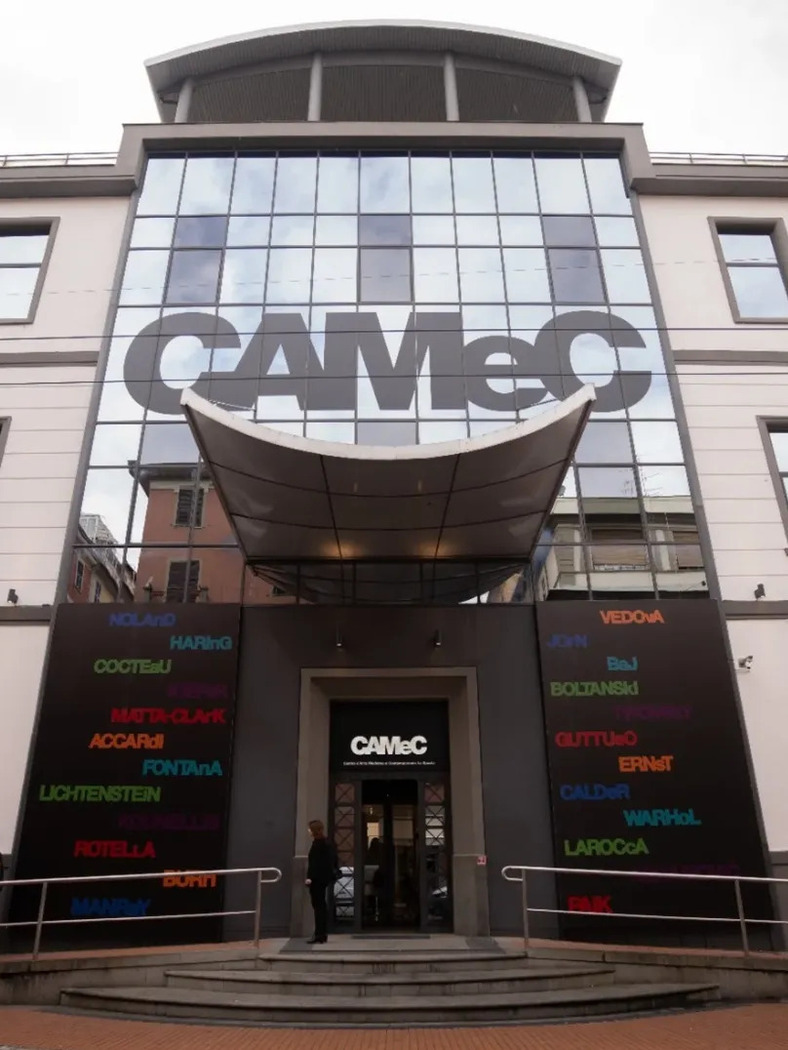
In the afternoon, head towards the CAMeC—Center for Modern and Contemporary Art. This museum recently reopened (October 2024) after a major restyling work, and what emerges is a profoundly renewed structure, both in its spaces and in its curatorial concept. The CAMeC houses three distinct collections. The Cozzani collection includes over 1200 works that trace the historical avant-garde movements of the twentieth century: Expressionism, Bauhaus, Arte Povera, Pop Art, Fluxus, Body Art, Transavanguardia. If you want to understand how Italian art faced the great international currents of the last century, this is the place. The Battolini collection represents sixty years of critical research, with contributions from the protagonists of the historic editions of the Gulf Prize (Premio del Golfo). But what makes the CAMeC special is the room dedicated to the Gulf Prize itself. This national painting prize was conceived in 1933 by Marinetti and Fillia—yes, the same futurists—and represents one of the most important recognitions for contemporary Italian art. The room is built so that the colors themselves evoke Porto Venere, the famous rows of houses you will see if you head towards the Cinque Terre. Among the awarded works, you will find works by Carla Accardi, Renato Birolli, Emilio Vedova—artists who defined the Italian post-war artistic scene. Here, unlike the Lia Museum, you are looking at art as a mirror of the present. Every movement, every compositional choice, communicates a specific historical moment. Your children will be able to see how the very form of art changes as times change, as the questions artists ask themselves change. Practical details: Hours: Tuesday-Sunday 10:00 AM-6:00 PM (first Friday of the month until 10:00 PM). Permanent collection ticket: €10.00 (full); €5.00 (reduced for under 26, over 65); free for under 18, provincial residents. The museum is structured on multiple floors and perfectly accessible with children.

"CAMeC Museum Entrance"
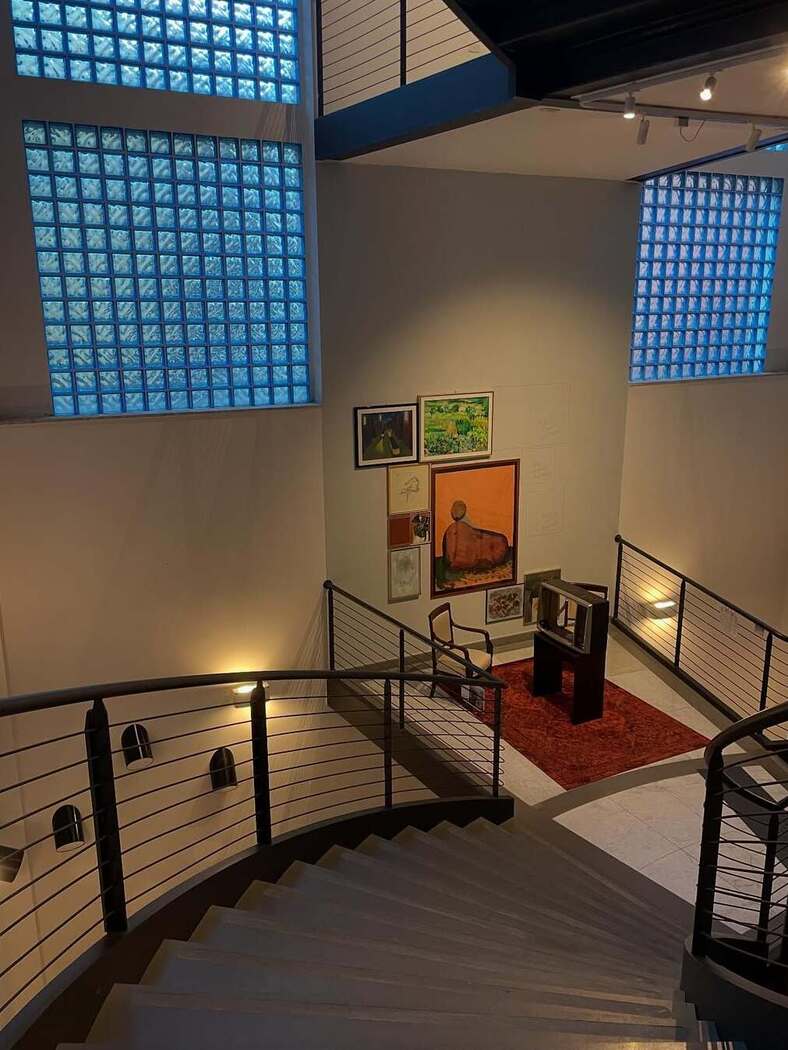
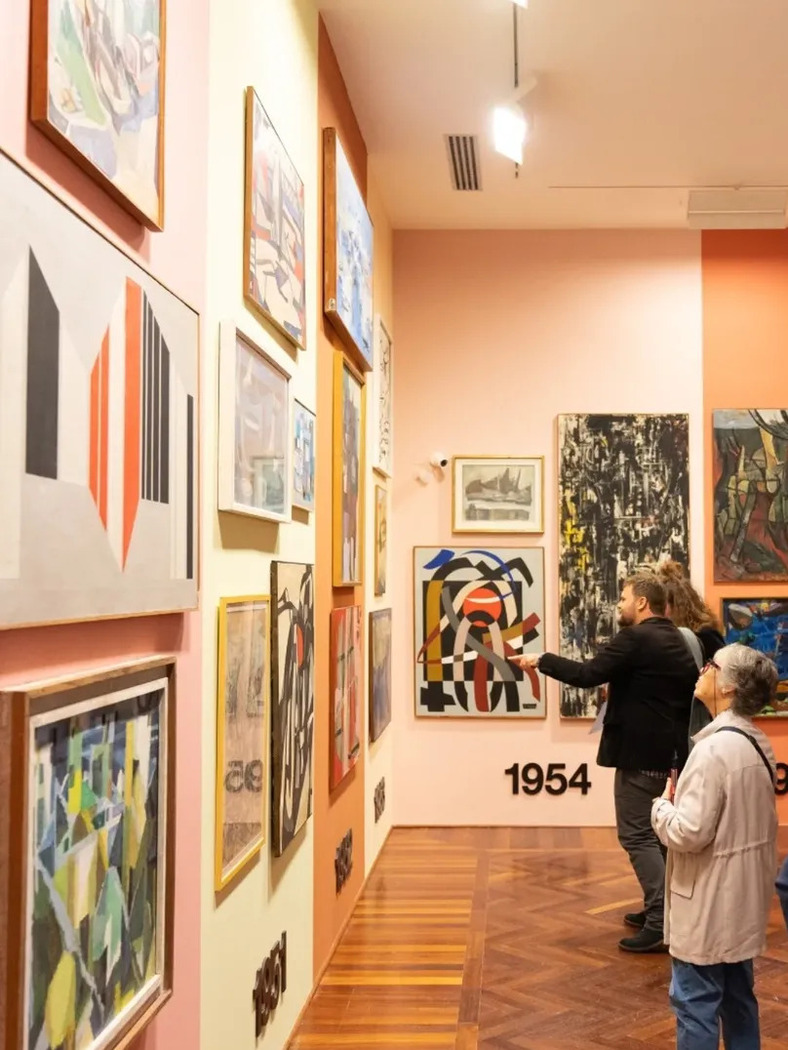
“inside the CAMeC museum”
San Giorgio castle
Archaeology and Panorama
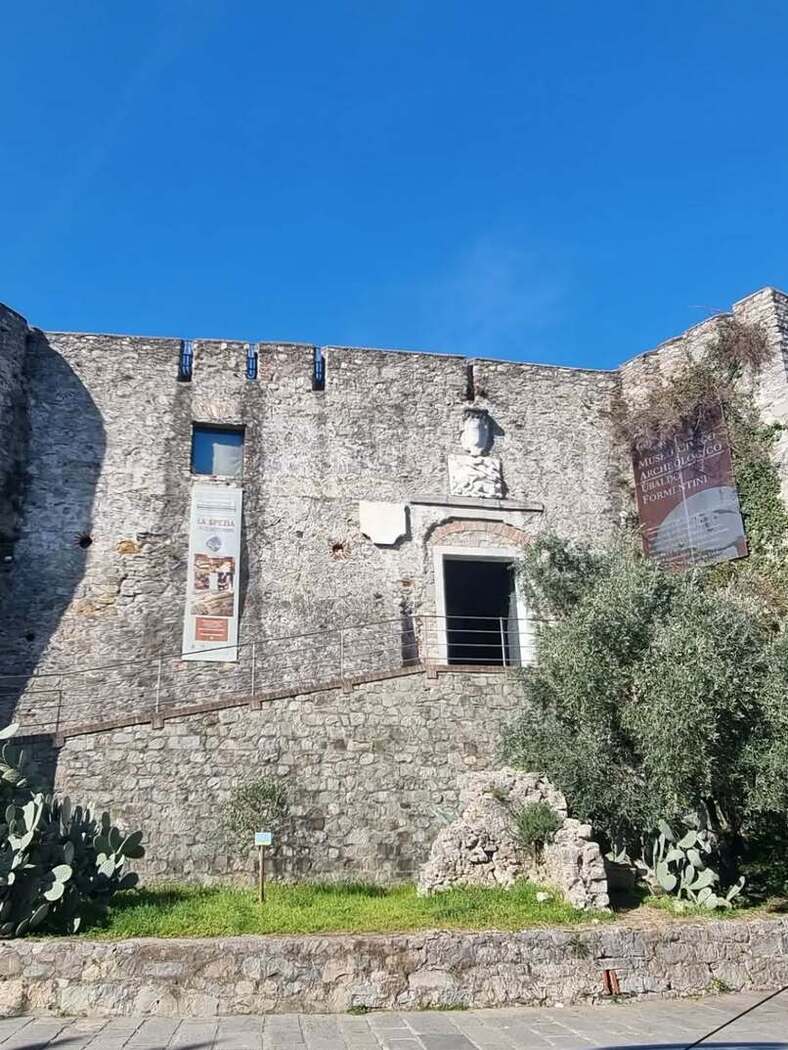
If you still have energy, climb up to the Castle of San Giorgio. It is not just an archaeological museum—it is a fortification that dominates the city from a hill, offering you a 360-degree view of the Gulf. The elevator will take you almost to the top (a valuable convenience with tired children). Inside, the Civic Archaeological Museum displays artifacts that tell the history of La Spezia before the great naval Arsenal of the 19th century. Roman fragments, coins, everyday objects that transform the city from an abstract name into a place inhabited by real people. It is a less “spectacular” museum than the others, but for this very reason, it communicates something authentic. You are not looking at the artistic masterpiece. You are looking at the traces of lived lives. The real magic, however, is the view. When you leave the exhibition halls and cross the ramparts, you will see the Gulf of Poets spread out beneath you, you will see Porto Venere on the horizon, you will see the Ligurian coast disappearing to the north. Your children will viscerally understand why a city was born here, why a fortress was built right on this spot. Practical details: Reachable on foot from the center, but the internal elevator is essential with children. Ticket: a few euros. Opening hours vary—it’s advisable to check before visiting.
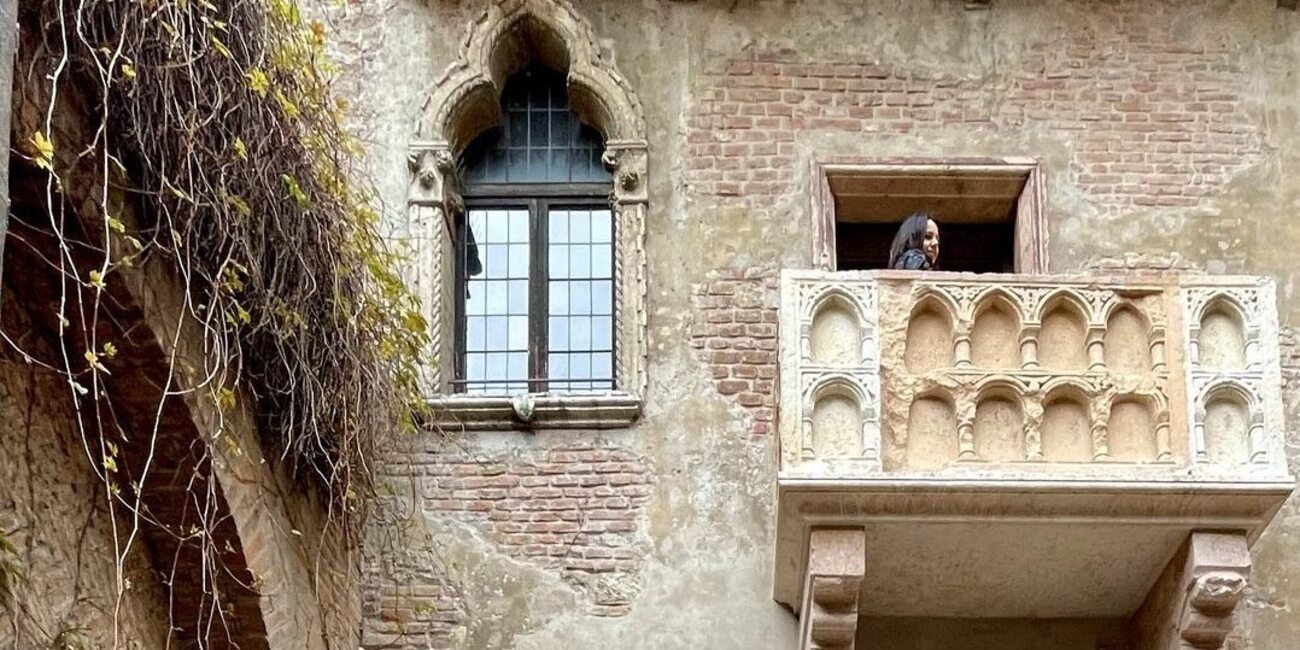
“entrance to the castle/museum”
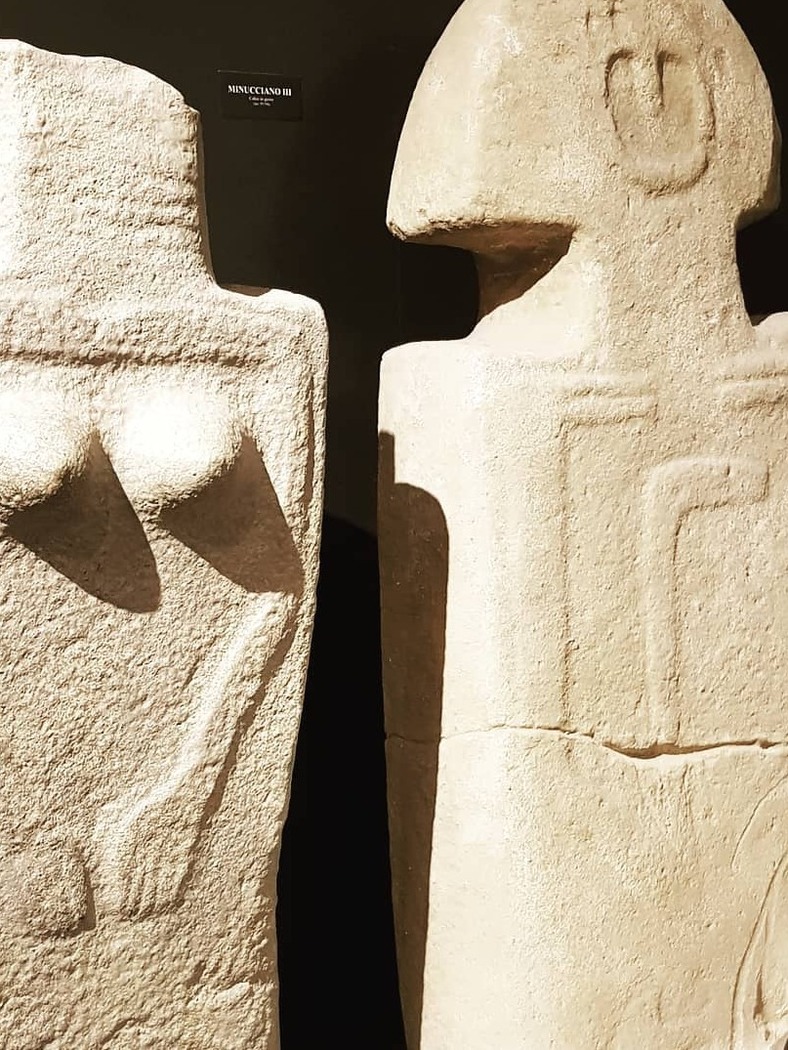
“the Statue Stele”
Ethnographic Museum
Stories of Community
If you have an extra half-day, the Giovanni Podenzana Civic Ethnographic Museum (in the new location of the former 15th-century oratory of San Bernardino da Siena) is worth a visit. It houses over 3500 ethno-anthropological objects collected between the late 19th and early 20th centuries. What does this mean? It means tableware, agricultural tools, textiles, traditional costumes of historical Lunigiana, and also artifacts from Oceania, New Guinea, the Americas, China, Japan, and Africa. It is the material memory of how people lived, worked, dressed, and celebrated. For children, it is fascinating: they are not consecrated works of art, they are objects that people really used, really touched. There is a section dedicated to costumes and loom weaving that deeply communicates how central manual labor was to life. If you bring your children here, they will understand something essential about human continuity—that behind every object there is a hand, a choice, a story.
Other museums
For Those Who Dig Deeper
If La Spezia fascinates you and you want to come back, there are other museums. The Naval Technical Museum will take you into the history of the Italian Navy. The Diocesan Museum (on three floors) houses sacred art of great value. The Seal Museum preserves the most complete collection of seals ever assembled in the world—from the 4th millennium B.C. to the present day. The National Transport Museum is dedicated to trolleybuses and public transport vehicles. These are all “niche” museums in terms of visitor flow, but this is exactly what makes them special. They offer the opportunity to explore without crowds, without that feeling of being part of a mass tourist experience.
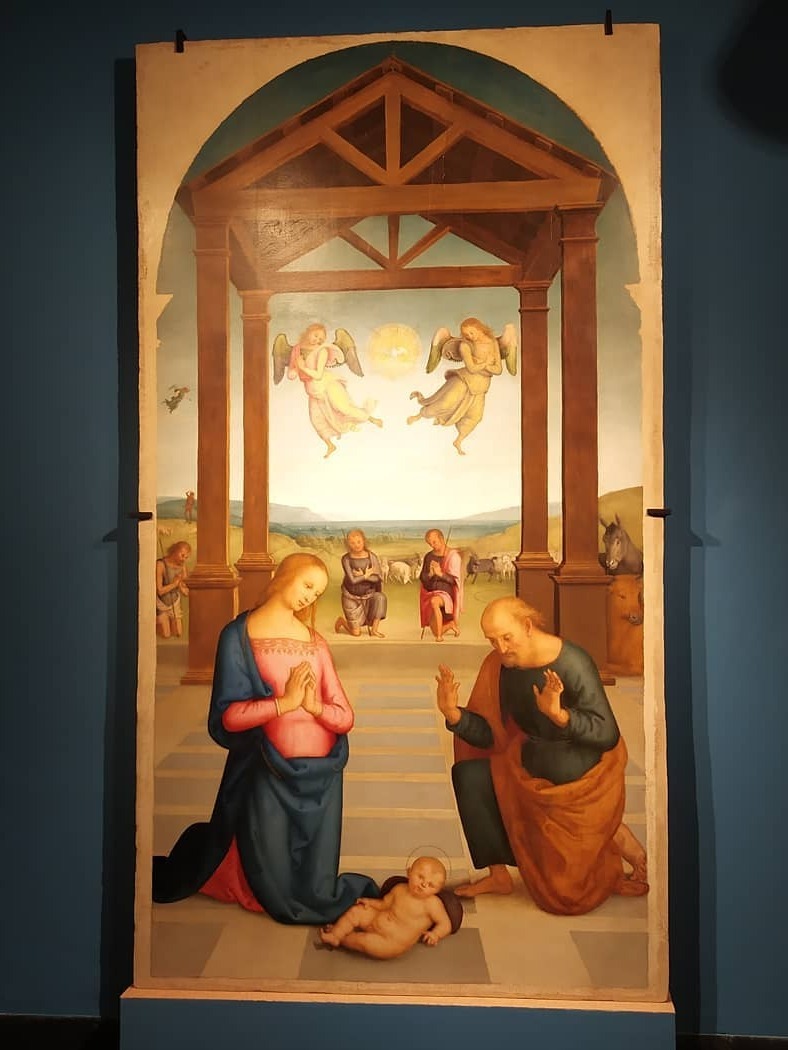
“work displayed at the Lia museum”
“works displayed at the CAMeC museum”
Conclusion
Back to the Camper
From the historic center where the museums are concentrated, you can choose between several options. If you prefer public transport, bus lines S and L will take you to within a short walk of the parking area: about 850 meters on foot from the stop to the ATCMP Area. If you are in good physical shape and the weather is mild, cycling is a pleasant option—it’s about 4 kilometers from the center, a route that allows you to cross the city and observe how the urban fabric changes as you move away from the museum areas. In the evening, your perspective on La Spezia will be different. It is no longer just the port and the station where you catch the train for the Cinque Terre. It is a city that has chosen to preserve beauty—both classical and contemporary—and to offer it without pretense. This is the magic of smaller museums, especially when you visit them with a family in a camper. You are not engaging in mass tourism. You are having a conscious experience of a community that has decided what it wants to be and what it wants to transmit. Your children will carry with them not only the images of paintings and artifacts, but also the feeling of having touched, even just with their gaze, the continuity of human culture.